

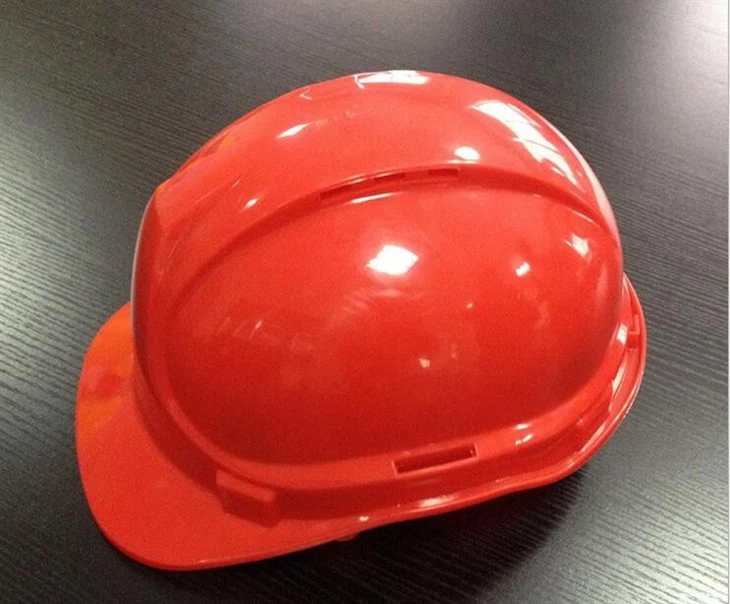
Safety helmets are essential protective equipment in various industries, especially construction and manufacturing. They safeguard workers from potential head injuries, but over time, they can accumulate dirt, grime, and even chemical residues. Proper cleaning not only maintains the helmet's appearance but also ensures its functionality and longevity. As a safety helmet supplier, I understand the importance of providing clear guidance on how to clean these vital pieces of equipment.
Why Cleaning Safety Helmets is Crucial
Before delving into the cleaning process, it's important to understand why regular cleaning is necessary. Safety helmets are often exposed to harsh environments, including dust, dirt, oil, and chemicals. These contaminants can not only make the helmet look unappealing but also affect its performance. For example, dirt and grime can build up on the helmet's visor, reducing visibility. Chemical residues may weaken the helmet's material over time, compromising its ability to protect the wearer.
Cleaning also plays a role in maintaining hygiene. Helmets are worn close to the head and can accumulate sweat, hair, and skin particles. Regular cleaning helps prevent the growth of bacteria and fungi, which can cause unpleasant odors and potential health issues.
Pre - cleaning Inspection
Before you start cleaning your safety helmet, it's essential to conduct a thorough inspection. Check for any visible signs of damage, such as cracks, dents, or loose parts. If you notice any significant damage, the helmet may need to be replaced. A damaged helmet may not provide adequate protection in case of an accident.
Inspect the harness system as well. Look for frayed straps, broken buckles, or loose fittings. Ensure that the harness is properly adjusted and in good working condition. If any part of the harness is damaged, it should be replaced according to the manufacturer's instructions.
Gathering the Necessary Supplies
To clean your safety helmet effectively, you'll need a few basic supplies:

- Mild detergent: Choose a mild, non - abrasive detergent. Harsh chemicals can damage the helmet's material. A gentle dish soap or a specialized helmet cleaner is a good choice.
- Soft brush or cloth: A soft - bristled brush or a microfiber cloth is ideal for cleaning the helmet's surface without scratching it.
- Clean water: You'll need clean, lukewarm water for rinsing the helmet.
- Bucket or sink: A bucket or sink large enough to hold the helmet is required for soaking and rinsing.
The Cleaning Process
Exterior Cleaning
- Prepare the cleaning solution: Fill the bucket or sink with lukewarm water and add a small amount of mild detergent. Mix the solution well until it forms a soapy mixture.
- Soak the helmet: Immerse the helmet in the soapy water. Let it soak for a few minutes to loosen the dirt and grime.
- Scrub the exterior: Use the soft brush or cloth to gently scrub the helmet's exterior. Pay special attention to areas with heavy dirt buildup, such as the brim and the top of the helmet. Be careful not to apply too much pressure, as this could damage the helmet.
- Rinse thoroughly: Once you've scrubbed the entire exterior, rinse the helmet under clean, running water. Make sure to remove all the soap residue.
Interior Cleaning
- Remove the liner and harness (if possible): Many safety helmets have removable liners and harnesses. If yours does, carefully remove them according to the manufacturer's instructions.
- Clean the liner and harness: Wash the liner and harness separately in the soapy water. Use the soft brush or cloth to gently scrub them. Rinse them thoroughly and let them air - dry.
- Clean the interior of the helmet: With the liner and harness removed, use the soapy water and the soft brush or cloth to clean the interior of the helmet. Pay attention to areas where sweat and dirt may accumulate, such as the padding and the inside of the brim.
- Rinse the interior: Rinse the interior of the helmet under clean, running water to remove all the soap residue.
Drying the Helmet
After cleaning, it's important to dry the helmet properly. Do not use a high - heat source, such as a hair dryer, as this can damage the helmet's material. Instead, let the helmet air - dry in a well - ventilated area. Place the helmet upside down to allow any water to drain out. Make sure the liner and harness are completely dry before reinstalling them.
Post - cleaning Inspection
Once the helmet is dry, conduct another inspection. Check that all parts are clean, dry, and in good condition. Reinstall the liner and harness if you removed them, and make sure they are properly adjusted.
Special Considerations
- Helmets with visors: If your safety helmet has a visor, clean it separately using a mild glass cleaner and a soft cloth. Avoid using abrasive materials that could scratch the visor.
- Helmets exposed to chemicals: If the helmet has been exposed to chemicals, follow the manufacturer's instructions for cleaning. In some cases, you may need to use a specialized cleaning solution.
Conclusion
Properly cleaning your safety helmet is a simple yet crucial step in maintaining its functionality and ensuring the safety of the wearer. By following these steps, you can keep your safety helmet in top condition for years to come.
As a safety helmet supplier, we offer a wide range of high - quality safety helmets, including Safety Helmets for Construction Sites and HDPE Safety Helmets. We also provide detailed information on Construction Safety Helmet Color Code to help you choose the right helmet for your needs.
If you're interested in purchasing safety helmets or have any questions about our products, please feel free to contact us for a procurement discussion. We're committed to providing the best safety solutions for your workplace.
References
- Manufacturer's instructions for safety helmets
- Occupational Safety and Health Administration (OSHA) guidelines on personal protective equipment


