

When it comes to hardware work, using the right tools is crucial for achieving professional results. One such essential tool is the sanding block, and choosing the appropriate sandpaper for it can significantly impact the quality of your project. As a trusted hardware tools supplier, we understand the importance of making the right choices, and in this guide, we'll walk you through the process of selecting the perfect sandpaper for your sanding block.
Understanding the Basics of Sandpaper
Before delving into the selection process, it's essential to understand the basic components of sandpaper. Sandpaper consists of abrasive grains adhered to a backing material. The abrasive grains are responsible for the cutting action, while the backing provides support and flexibility. The key factors to consider when choosing sandpaper are grit size, abrasive type, and backing material.
Grit Size
Grit size refers to the number of abrasive particles per square inch of sandpaper. A lower grit number indicates larger abrasive particles and a coarser sandpaper, suitable for heavy material removal. Conversely, a higher grit number means smaller particles and a finer sandpaper, ideal for smoothing surfaces and finishing touches.
- Coarse Grits (24 - 60): These are best used for initial rough sanding, removing paint, varnish, or shaping wood. They work quickly but leave a rough surface finish.
- Medium Grits (80 - 120): Ideal for general sanding, such as removing scratches or preparing a surface for painting or staining. They provide a smoother finish than coarse grits.
- Fine Grits (150 - 220): Used for final sanding and finishing work, these grits leave a very smooth surface, perfect for applying a clear coat or a fine paint finish.
- Extra - Fine Grits (240 and above): These are used for delicate sanding, such as polishing or buffing, and are often used in automotive or furniture finishing.
Abrasive Type
Different abrasive materials have unique properties, making them suitable for specific applications.
- Aluminum Oxide: This is the most common type of abrasive. It's versatile, long - lasting, and suitable for sanding wood, metal, and plastic. Aluminum oxide is relatively inexpensive and works well for most general sanding tasks.
- Silicon Carbide: Silicon carbide is a sharper and harder abrasive than aluminum oxide. It's ideal for sanding non - ferrous metals (such as aluminum and brass), stone, glass, and ceramics. It also works well for wet sanding.
- Garnet: Garnet is a natural abrasive that is gentle on wood. It produces a smooth finish and is often used for hand sanding wood projects, especially for fine furniture making.
- Zirconia Alumina: This abrasive is extremely durable and heat - resistant. It's best for high - pressure sanding applications, such as sanding large areas of metal or hardwood.
Backing Material
The backing material of sandpaper affects its durability, flexibility, and conformability.

- Paper Backing: Paper is the most common backing material. It's lightweight, flexible, and suitable for hand sanding and light - duty power sanding. However, it's less durable than other backing materials and may tear easily.
- Cloth Backing: Cloth - backed sandpaper is more durable and flexible than paper. It can withstand more pressure and is suitable for power sanding and heavy - duty applications. It's commonly used in industrial settings and for sanding large surfaces.
- Film Backing: Film - backed sandpaper is very smooth and tear - resistant. It's often used for wet sanding and for applications where a high - quality finish is required, such as automotive painting.
Factors to Consider When Choosing Sandpaper for a Sanding Block
The Material You're Sanding
The type of material you're working on is the primary factor in determining the right sandpaper.
- Wood: For wood, start with a coarse grit (such as 60 - 80) to remove rough edges or old finishes. Then, move to a medium grit (100 - 120) for general sanding, and finish with a fine grit (150 - 220) for a smooth surface. Garnet or aluminum oxide sandpaper is often a good choice for wood.
- Metal: Metal sanding requires a more durable abrasive. For heavy material removal, use a coarse grit (24 - 40) silicon carbide or zirconia alumina sandpaper. For finishing, switch to a finer grit (120 - 220). When sanding metal, consider using wet - sanding techniques to prevent overheating and remove debris.
- Plastic: Plastic is a delicate material that can be easily scratched. Use a fine - grit (180 - 220) silicon carbide or aluminum oxide sandpaper. Start with a light touch and gradually increase pressure if needed.
The Type of Sanding Block
The design and size of your sanding block also play a role in sandpaper selection.
- Hand - Held Sanding Blocks: These are typically used for small - scale projects and detailed work. Choose a flexible sandpaper with a paper backing for better conformability to the surface.
- Power - Driven Sanding Blocks: Power sanders can apply more pressure and move at higher speeds. For power sanding, opt for a more durable sandpaper with a cloth or film backing.
The Desired Finish
The final look and feel of your project will determine the grits you use. If you're aiming for a rough, rustic finish, you may only need to use coarse grits. However, if you want a smooth, mirror - like finish, you'll need to use a series of grits, starting from coarse and gradually moving to extra - fine.
Related Hardware Tools for Your Projects
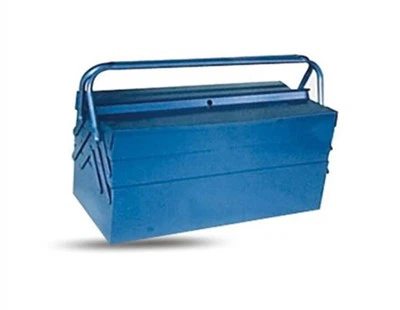
In addition to sandpaper, we also offer a wide range of other hardware tools that can complement your sanding work. Check out our Grinder Cutting Disc for Aluminium for precision cutting of aluminum materials. For tasks like cutting branches or small logs, our Battery Powered Chain Saw is a reliable and convenient choice. And once you're done with your project, store your tools safely in our Tool Box Storage Containers.
How to Purchase the Right Sandpaper
As a hardware tools supplier, we offer a comprehensive selection of sandpaper in various grit sizes, abrasive types, and backing materials. Our team of experts is always ready to assist you in choosing the right sandpaper for your specific needs. Whether you're a professional contractor or a DIY enthusiast, we have the products and knowledge to help you succeed in your hardware projects.
If you're interested in purchasing sandpaper or any other hardware tools from us, we invite you to get in touch with our sales team. We can provide you with detailed product information, pricing, and delivery options. Let's work together to ensure your hardware projects are completed with the highest quality and efficiency.
References
- "The Complete Guide to Sanding" by Popular Woodworking Magazine
- "Handbook of Abrasive Technology" by R. L. Jackson
- Manufacturer's specifications for various sandpaper products


