

When it comes to using abrasives, safety should always be your top priority. As an abrasives supplier, I've seen firsthand the importance of taking the right precautions. Abrasives are incredibly useful tools, but if not used correctly, they can lead to serious injuries. In this blog, I'll share some essential safety tips that you should follow when using abrasives.
1. Wear Appropriate Personal Protective Equipment (PPE)
One of the most basic yet crucial safety measures is wearing the right PPE. This includes safety glasses or goggles to protect your eyes from flying debris. Even the smallest particle can cause significant damage to your eyes, so don't skip this step. Safety glasses should fit properly and have side shields for added protection.
Ear protection is also important, especially when using power tools with abrasives. The noise levels can be quite high, and prolonged exposure can lead to hearing loss. Earplugs or earmuffs are easy to use and can make a big difference in protecting your hearing.
A dust mask or respirator is essential to prevent inhaling dust and particles. Abrasive materials can generate a lot of dust, which can be harmful if inhaled. Make sure to choose a mask that is rated for the type of dust you'll be exposed to.
Gloves are another important piece of PPE. They can protect your hands from cuts, abrasions, and chemical exposure. However, make sure the gloves are appropriate for the task. For example, if you're using a grinder, you'll need gloves that can withstand the heat and friction.
2. Inspect the Abrasive Tools Before Use
Before you start using any abrasive tool, take a few minutes to inspect it. Check for any signs of damage, such as cracks, chips, or uneven wear. A damaged abrasive tool can be dangerous and may not perform as expected. If you notice any damage, don't use the tool. Instead, replace it with a new one.
Also, make sure the abrasive tool is the right size and type for the job. Using the wrong tool can not only be ineffective but also dangerous. For example, using a too-small abrasive wheel on a grinder can cause it to overheat and break.
3. Use the Right Equipment and Machinery
Using the right equipment and machinery is essential for safety. Make sure the grinder, sander, or other abrasive tool you're using is in good working condition. Check the power cord for any damage and make sure the tool is properly grounded.
Use the correct speed settings for the abrasive tool. Different abrasive materials require different speeds. Using the wrong speed can cause the tool to overheat, wear out quickly, or even break. Refer to the manufacturer's instructions for the recommended speed settings.
Secure the workpiece properly. When using an abrasive tool, the workpiece should be held firmly in place. This can prevent it from moving or vibrating, which can lead to accidents. Use clamps or a vise to secure the workpiece.
4. Follow the Manufacturer's Instructions
The manufacturer's instructions are there for a reason. They provide important information on how to use the abrasive tool safely and effectively. Make sure to read and understand the instructions before using the tool.
Follow the recommended operating procedures. This includes how to start and stop the tool, how to adjust the settings, and how to maintain the tool. Ignoring the manufacturer's instructions can increase the risk of accidents.
Store the abrasive tools properly. When not in use, store the tools in a dry, cool place. Keep them away from moisture, heat, and chemicals. This can help prevent damage and ensure the tools are in good condition when you need them.
5. Be Aware of Your Surroundings
When using abrasives, it's important to be aware of your surroundings. Make sure there are no flammable materials nearby. Abrasive tools can generate sparks, which can ignite flammable materials. Keep a fire extinguisher nearby just in case.
Clear the work area of any clutter. This can prevent tripping hazards and make it easier to move around. Make sure there is enough space to operate the abrasive tool safely.
Don't work alone. If possible, have someone else nearby who can assist you in case of an emergency. This can be especially important when using large or powerful abrasive tools.
6. Take Breaks and Stay Hydrated
Using abrasives can be physically demanding. It's important to take breaks regularly to avoid fatigue. Fatigue can lead to mistakes and increase the risk of accidents.
Stay hydrated by drinking plenty of water. Dehydration can also affect your performance and increase the risk of accidents. Make sure to have a water bottle nearby and take sips throughout the day.
Specific Precautions for Different Abrasive Tools
Wood Saw Blade For Grinder
If you're using a Wood Saw Blade For Grinder, make sure the blade is sharp. A dull blade can cause the wood to splinter and increase the risk of kickback. Use a push stick to keep your hands away from the blade.
When cutting wood, make sure the wood is properly supported. This can prevent it from moving or vibrating, which can lead to uneven cuts and accidents.
Metal Polishing Wheel for Grinder
When using a Metal Polishing Wheel for Grinder, make sure the wheel is properly balanced. An unbalanced wheel can cause the grinder to vibrate, which can be dangerous.
Use a light touch when polishing metal. Applying too much pressure can cause the wheel to overheat and damage the metal.
Grinder Cutting Disc for Aluminium
When using a Grinder Cutting Disc for Aluminium, make sure the disc is designed for cutting aluminium. Using the wrong disc can cause the disc to clog and overheat.

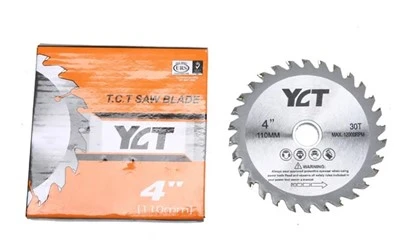
Cut at a slow, steady pace. Cutting too quickly can cause the disc to break and increase the risk of accidents.
Conclusion
Using abrasives can be a great way to get the job done, but it's important to take the right safety precautions. By wearing appropriate PPE, inspecting the tools, using the right equipment, following the manufacturer's instructions, being aware of your surroundings, and taking breaks, you can reduce the risk of accidents and injuries.
If you're in the market for high-quality abrasives, I'd love to help. We offer a wide range of Wood Saw Blade For Grinder, Metal Polishing Wheel for Grinder, Grinder Cutting Disc for Aluminium, and other abrasive tools. Contact us to discuss your specific needs and let's start a procurement negotiation.
References
- OSHA (Occupational Safety and Health Administration) guidelines on abrasive tool safety.
- Manufacturer's instructions for various abrasive tools.


