

Spikes shoes, also known as spiked shoes or cleats, are a specialized type of footwear designed to provide enhanced traction in various sports and outdoor activities. As a leading spikes shoes supplier, I often receive inquiries about the materials used in the manufacturing of these shoes. In this blog post, I will delve into the different materials commonly used in spikes shoes, their properties, and how they contribute to the performance and durability of the footwear.
Upper Materials
The upper part of spikes shoes is the portion that covers the foot and provides support and protection. Several materials are used for the upper, each with its own advantages and characteristics.
Leather
Leather is a traditional and popular material for spikes shoes, especially in sports like football (soccer), rugby, and baseball. It is known for its durability, breathability, and ability to mold to the shape of the foot over time. Full - grain leather, which is the highest quality leather, offers excellent strength and resistance to wear and tear. It also provides a natural and comfortable fit. However, leather can be relatively heavy and may require more maintenance compared to other materials. Brands often treat leather to make it more water - resistant and to enhance its performance in wet conditions.
Synthetic Materials
Synthetic materials have gained significant popularity in recent years due to their lightweight nature, affordability, and versatility. Polyester, nylon, and thermoplastic polyurethane (TPU) are commonly used synthetic materials in spikes shoes.
Polyester is a strong and durable fabric that is resistant to stretching and shrinking. It is often used in combination with other materials to provide structural support to the upper. Nylon is another lightweight and breathable synthetic material. It is quick - drying, which makes it suitable for sports where the feet may get wet. TPU is a flexible and elastic material that can be molded into various shapes. It is often used to create overlays on the upper for added support and protection in high - stress areas.
One of the main advantages of synthetic materials is their ability to be engineered to have specific properties. For example, some synthetic uppers are designed to be water - repellent, while others are optimized for breathability. Additionally, synthetic materials can be produced in a wide range of colors and patterns, allowing for greater customization.
Midsole Materials
The midsole of spikes shoes plays a crucial role in providing cushioning, shock absorption, and energy return. Different materials are used to achieve these functions.
EVA (Ethylene - Vinyl Acetate)
EVA is a lightweight and flexible foam material that is commonly used in the midsole of spikes shoes. It offers good cushioning and shock absorption properties, which helps to reduce the impact on the feet during running and jumping. EVA can be formulated to have different densities, allowing manufacturers to adjust the level of cushioning and support according to the specific requirements of the shoe. It is also relatively inexpensive, making it a cost - effective option for mass - produced spikes shoes.
PU (Polyurethane)
Polyurethane is another material used in midsole construction. It is more durable and offers better energy return compared to EVA. PU midsoles are often found in high - performance spikes shoes, especially those used in track and field events. The energy return property of PU helps to propel the athlete forward, improving their speed and performance. However, PU is heavier and more expensive than EVA, which may limit its use in some applications.
Air or Gel Technology
Some high - end spikes shoes incorporate air or gel technology in the midsole. Air pockets or gel inserts are designed to provide additional cushioning and shock absorption. These technologies can be strategically placed in the midsole to target specific areas of the foot, such as the heel or forefoot. For example, Nike's Air Max technology uses pressurized air units to provide responsive cushioning. Gel inserts, on the other hand, are made of a soft, viscous material that can absorb and disperse shock effectively.
Outsole Materials
The outsole is the part of the spikes shoes that comes into contact with the ground. It is responsible for providing traction and durability.

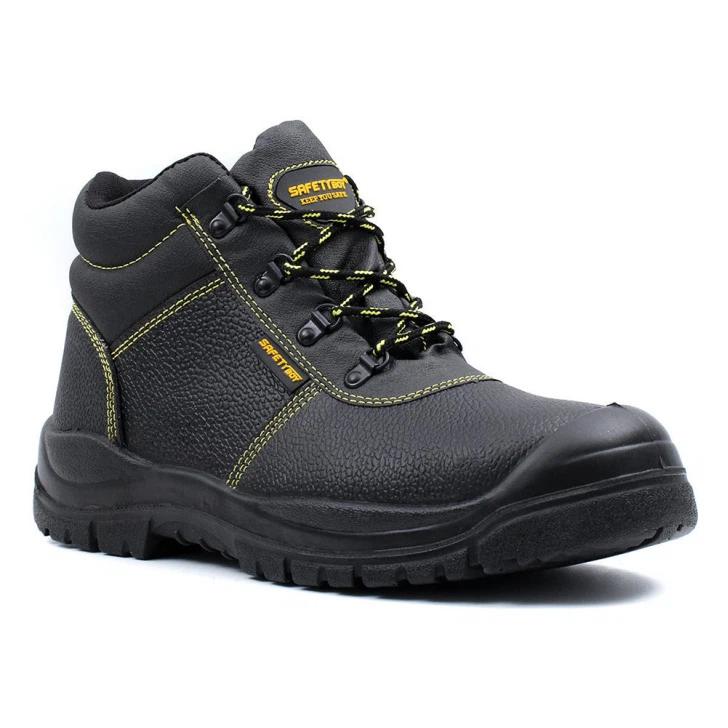
Rubber
Rubber is the most common material used for the outsole of spikes shoes. It offers excellent traction on various surfaces, including grass, dirt, and artificial turf. Different types of rubber can be used, depending on the specific requirements of the shoe. For example, carbon rubber is a durable and abrasion - resistant type of rubber that is often used in the areas of the outsole that experience the most wear, such as the heel and forefoot. Gum rubber, on the other hand, is a softer and stickier rubber that provides superior traction on wet or slippery surfaces.
Thermoplastic Rubber (TPR)
TPR is a synthetic rubber material that combines the properties of rubber and plastic. It is lightweight, flexible, and has good traction. TPR is often used in the outsole of spikes shoes because it can be easily molded into different shapes and patterns. It is also more affordable than natural rubber, making it a popular choice for budget - friendly spikes shoes.
Metal or Plastic Spikes
The spikes themselves are a crucial component of spikes shoes. Metal spikes are commonly used in track and field events, where maximum traction is required. Steel or aluminum spikes are sharp and can penetrate the ground easily, providing excellent grip on running tracks. Plastic spikes, on the other hand, are often used in other sports such as football and rugby. They are less likely to cause injury to other players and are suitable for use on softer surfaces.
Importance of Material Selection
The choice of materials in spikes shoes is not arbitrary. It is carefully considered to meet the specific needs of different sports and activities. For example, in track and field, where speed is of the essence, lightweight materials such as synthetic uppers and carbon fiber spikes may be used to minimize weight and maximize performance. In football or rugby, where durability and protection are important, leather or synthetic uppers with reinforced overlays and sturdy rubber outsoles are preferred.
As a spikes shoes supplier, I understand the importance of using high - quality materials to ensure the performance and safety of our products. We source our materials from reliable suppliers and conduct rigorous quality control tests to ensure that our spikes shoes meet the highest standards.
Related Products
If you are interested in other types of safety footwear, we also offer a wide range of products, including Safety Boots For Men, DAERTA Safety Shoes, and Rockland Safety Shoes. These shoes are designed to provide protection and comfort in various work environments.
Contact for Purchase
If you are looking for high - quality spikes shoes for your sports team, athletic club, or personal use, I encourage you to contact us for a purchase negotiation. We offer competitive prices, a wide range of styles and sizes, and excellent customer service. Our team of experts is ready to assist you in finding the perfect spikes shoes to meet your needs.
References
- Litchfield, R. (2019). The Materials Science of Footwear. Journal of Materials Science and Technology.
- Wilson, J. (2020). Advances in Sports Footwear Technology. Sports Engineering Journal.
- Brown, A. (2021). Footwear Materials: Properties and Performance. Textile Research Journal.


