

When it comes to footwear, the options are vast, ranging from stylish sneakers to formal dress shoes. Among these choices, safety shoes and regular shoes stand out as two distinct categories, each designed for specific purposes. As a safety shoes supplier, I've witnessed firsthand the importance of understanding the differences between these two types of footwear. In this blog post, I'll delve into the key disparities between safety shoes and regular shoes, highlighting why safety shoes are essential in certain work environments.
Design and Construction
One of the most significant differences between safety shoes and regular shoes lies in their design and construction. Regular shoes are primarily designed for comfort, style, and everyday wear. They come in a wide variety of styles, colors, and materials, catering to different fashion preferences and occasions. Whether it's a pair of casual loafers for a weekend outing or a pair of high heels for a formal event, regular shoes prioritize aesthetics and comfort over functionality.
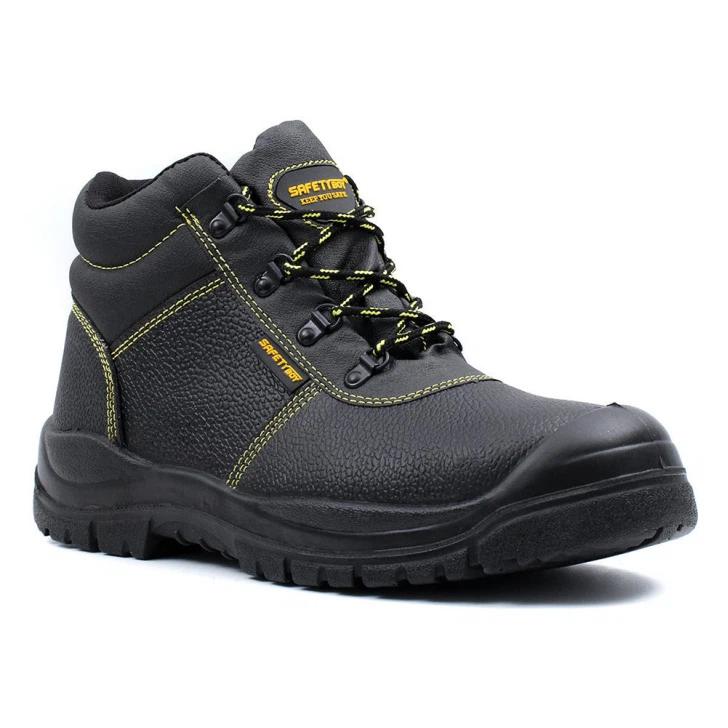
On the other hand, safety shoes are engineered with specific safety features to protect the feet from potential hazards in the workplace. These features include reinforced toe caps, puncture-resistant soles, electrical hazard protection, and slip-resistant outsoles. The design of safety shoes is often more rugged and durable than regular shoes, with thicker materials and stronger stitching to withstand the rigors of industrial work environments.
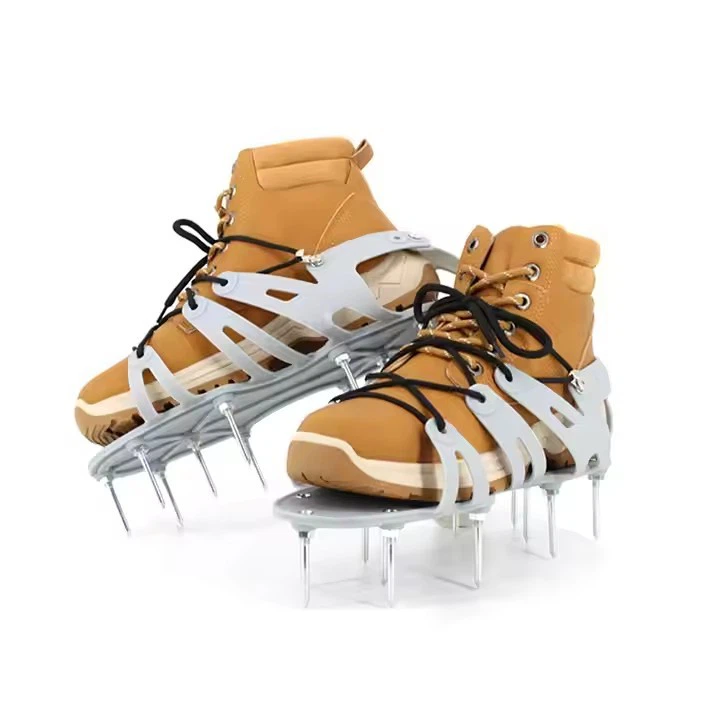
For example, Spikes Shoes are designed with a unique spike sole that provides excellent traction on slippery surfaces, making them ideal for workers in industries such as construction, mining, and manufacturing. Rockland Safety Shoes are known for their high-quality construction and innovative safety features, including a steel toe cap and a puncture-resistant midsole. Work Safety Steel Toe Shoes are specifically designed to protect the feet from impact and compression injuries, making them a popular choice for workers in heavy industries.
Safety Features
The primary purpose of safety shoes is to protect the feet from workplace hazards. As such, they are equipped with a range of safety features that are not typically found in regular shoes. These features are designed to prevent injuries such as foot punctures, cuts, burns, and electrical shocks.
One of the most common safety features in safety shoes is the steel toe cap. A steel toe cap is a reinforced cap that is placed over the toe area of the shoe to protect the feet from impact and compression injuries. This is particularly important in industries where heavy objects are frequently lifted or moved, such as construction, manufacturing, and warehousing.
Another important safety feature is the puncture-resistant sole. A puncture-resistant sole is designed to prevent sharp objects from penetrating the sole of the shoe and causing injury to the foot. This is especially important in industries where workers are exposed to nails, screws, and other sharp objects, such as construction, carpentry, and plumbing.
In addition to these features, safety shoes may also be equipped with electrical hazard protection, which helps to prevent electrical shocks in environments where workers are exposed to live electrical wires or equipment. Slip-resistant outsoles are another common safety feature, which helps to prevent slips and falls on wet or slippery surfaces.
Comfort and Fit
While safety is the primary concern when it comes to safety shoes, comfort and fit are also important factors to consider. After all, workers who are uncomfortable or ill-fitting shoes are more likely to experience fatigue, foot pain, and other health problems, which can ultimately affect their productivity and safety on the job.
Regular shoes are often designed with comfort in mind, with features such as cushioned insoles, breathable materials, and flexible outsoles. However, these features may not be sufficient in work environments where workers are on their feet for long periods of time or are exposed to harsh conditions.
Safety shoes, on the other hand, are designed to provide both safety and comfort. Many safety shoes are now available with features such as padded collars and tongues, cushioned insoles, and breathable linings to help keep the feet comfortable and dry. In addition, safety shoes are often available in a range of sizes and widths to ensure a proper fit for all workers.
It's important for workers to choose safety shoes that fit properly and are comfortable to wear. Ill-fitting shoes can cause blisters, calluses, and other foot problems, which can make it difficult for workers to perform their jobs safely and effectively. When trying on safety shoes, workers should make sure that there is enough room in the toe box for their toes to move freely and that the shoes fit snugly around the heel and arch.
Durability and Longevity
Another key difference between safety shoes and regular shoes is their durability and longevity. Regular shoes are typically designed for everyday wear and may not be able to withstand the rigors of industrial work environments. As a result, they may need to be replaced more frequently than safety shoes.
Safety shoes, on the other hand, are designed to be durable and long-lasting. They are typically made from high-quality materials and are constructed using advanced manufacturing techniques to ensure that they can withstand the demands of industrial work environments. This means that workers can expect to get more use out of their safety shoes before needing to replace them.
In addition to their durability, safety shoes are also often backed by warranties and guarantees, which provide additional peace of mind for workers and employers. This is especially important in industries where safety is a top priority, as it ensures that workers are protected by high-quality, reliable footwear.
Cost
Cost is another factor that often comes into play when choosing between safety shoes and regular shoes. Regular shoes are generally less expensive than safety shoes, as they do not require the same level of safety features and durability. However, it's important to remember that the cost of safety shoes is often offset by the benefits they provide, such as reduced risk of injury, increased productivity, and lower healthcare costs.
When considering the cost of safety shoes, it's important to look beyond the initial purchase price and consider the long-term value. Safety shoes that are well-made and durable are likely to last longer and provide better protection than cheaper, lower-quality shoes. In addition, many employers offer safety shoe reimbursement programs or discounts to help offset the cost of purchasing safety shoes for their employees.
Conclusion
In conclusion, the differences between safety shoes and regular shoes are significant and should not be overlooked. While regular shoes are designed for comfort and style, safety shoes are specifically engineered to protect the feet from workplace hazards. From reinforced toe caps to puncture-resistant soles, safety shoes are equipped with a range of safety features that are essential in industries where workers are exposed to potential foot injuries.
As a safety shoes supplier, I understand the importance of providing high-quality, reliable footwear that meets the needs of workers in a variety of industries. Whether you're a construction worker, a manufacturing employee, or a healthcare professional, I can help you find the right safety shoes for your job.
If you're interested in learning more about our safety shoes or would like to discuss your specific needs, please don't hesitate to contact us. We're here to help you find the perfect safety shoes for your workplace and ensure that your employees are protected.
References
- Occupational Safety and Health Administration (OSHA). (n.d.). Foot protection. Retrieved from https://www.osha.gov/topics/foot-protection
- American Society for Testing and Materials (ASTM). (n.d.). Standards for safety footwear. Retrieved from https://www.astm.org/categories/footwear.html
- National Institute for Occupational Safety and Health (NIOSH). (n.d.). Recommended practices for safety footwear. Retrieved from https://www.cdc.gov/niosh/docs/2005-109/


