Safety glasses and regular glasses serve distinct purposes, catering to different needs and environments. As a safety glasses supplier, I have witnessed firsthand the critical differences between these two types of eyewear. In this blog post, I will delve into the disparities between safety glasses and regular glasses, highlighting their unique features, applications, and benefits.
Construction and Design
One of the most significant differences between safety glasses and regular glasses lies in their construction and design. Regular glasses are primarily designed for vision correction, with a focus on providing clear and comfortable vision. They typically feature a lightweight frame and lenses made from materials such as plastic or glass. While regular glasses may offer some protection against minor debris and dust, they are not engineered to withstand high-impact forces or hazardous environments.
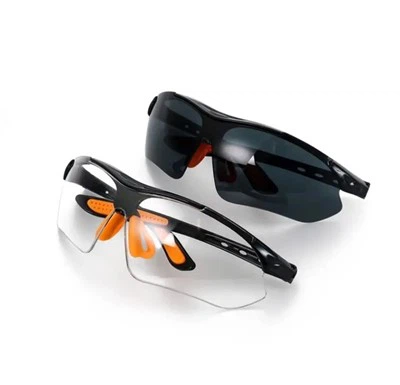
On the other hand, safety glasses are specifically designed to provide maximum protection for the eyes. They are constructed using durable materials such as polycarbonate, which is highly impact-resistant and able to withstand high-velocity impacts. Safety glasses also feature reinforced frames and temples to ensure a secure fit and prevent the glasses from dislodging during activities. In addition, many safety glasses are designed with side shields or wraparound frames to provide additional protection from flying debris and lateral impacts.
Impact Resistance
Another key difference between safety glasses and regular glasses is their impact resistance. Regular glasses are not designed to withstand high-impact forces and may shatter or break upon impact, causing serious injury to the eyes. In contrast, safety glasses are tested and certified to meet strict safety standards for impact resistance. They are designed to absorb and disperse the energy of an impact, reducing the risk of eye injury.

The American National Standards Institute (ANSI) has established standards for safety glasses, which include requirements for impact resistance, optical clarity, and frame strength. Safety glasses that meet these standards are marked with the ANSI Z87.1 symbol, indicating that they have been tested and approved for use in hazardous environments. When choosing safety glasses, it is important to look for this symbol to ensure that the glasses provide adequate protection.
Optical Clarity
While both safety glasses and regular glasses are designed to provide clear vision, safety glasses often have additional features to enhance optical clarity. Many safety glasses are treated with anti-fog and anti-scratch coatings to prevent the lenses from fogging up or getting scratched, which can impair vision. These coatings also make the lenses easier to clean and maintain, ensuring that they remain clear and functional over time.
In addition, safety glasses may be available in a variety of lens tints and colors to suit different lighting conditions and applications. For example, tinted lenses can reduce glare and improve visibility in bright sunlight, while clear lenses are ideal for indoor use or low-light conditions. Some safety glasses also feature photochromic lenses, which automatically adjust their tint based on the amount of sunlight, providing optimal vision in all lighting conditions.
Comfort and Fit
Comfort and fit are important considerations when choosing any type of eyewear, and safety glasses are no exception. Regular glasses are typically designed to be worn for extended periods of time, and comfort is often a key factor in their design. However, safety glasses need to provide a secure and comfortable fit even during strenuous activities or in challenging environments.
Many safety glasses are designed with adjustable temples and nose pads to ensure a customized fit for each individual. They may also feature lightweight materials and ergonomic designs to reduce pressure on the face and ears, making them more comfortable to wear for long periods of time. In addition, some safety glasses are available with padded temples or headbands to provide additional comfort and support.
Applications
Safety glasses and regular glasses are used in different applications, depending on the level of protection required. Regular glasses are commonly used for everyday activities such as reading, driving, and watching TV. They are designed to correct vision problems and provide clear and comfortable vision in normal environments.
Safety glasses, on the other hand, are used in a variety of hazardous environments where the eyes are at risk of injury. They are commonly used in industries such as construction, manufacturing, mining, and agriculture, where workers are exposed to flying debris, chemicals, and other hazards. Safety glasses are also used in sports such as baseball, hockey, and shooting, where the eyes are at risk of injury from high-velocity objects.
Eye Protection Glasses for Sports
For sports enthusiasts, Eye Protection Glasses for Sports are essential to protect the eyes from injury. These glasses are designed to provide maximum protection against high-velocity impacts and are often made from impact-resistant materials such as polycarbonate. They may also feature anti-fog and anti-scratch coatings to ensure clear vision during intense physical activity.
Work Safety Goggles
In industrial settings, Work Safety Goggles are commonly used to provide additional protection for the eyes. Goggles are designed to fit tightly around the eyes, creating a seal that prevents debris, chemicals, and other hazards from entering. They are often used in environments where there is a risk of splashes, sprays, or dust, such as in laboratories, chemical plants, and woodworking shops.
Best Anti Dust Safety Glasses
In dusty environments, Best Anti Dust Safety Glasses are essential to protect the eyes from irritation and injury. These glasses are designed with a tight-fitting frame and side shields to prevent dust from entering the eyes. They may also be treated with anti-fog and anti-scratch coatings to ensure clear vision in dusty conditions.
Conclusion
In conclusion, safety glasses and regular glasses serve different purposes and have distinct features and benefits. While regular glasses are designed for vision correction and everyday use, safety glasses are specifically designed to provide maximum protection for the eyes in hazardous environments. When choosing eyewear, it is important to consider the level of protection required, as well as factors such as impact resistance, optical clarity, comfort, and fit.
As a safety glasses supplier, I am committed to providing high-quality safety glasses that meet the needs of our customers. We offer a wide range of safety glasses, including those for sports, work, and dust protection, all of which are tested and certified to meet strict safety standards. If you are in need of safety glasses for your workplace or personal use, I encourage you to contact us to discuss your options and place an order. Our team of experts is available to answer any questions you may have and help you choose the right safety glasses for your needs.
References
- American National Standards Institute (ANSI). (2015). ANSI Z87.1-2015 Occupational and Educational Personal Eye and Face Protection Devices.
- Occupational Safety and Health Administration (OSHA). (2019). Eye and Face Protection. Retrieved from https://www.osha.gov/eyefaceprotection
- National Institute for Occupational Safety and Health (NIOSH). (2018). Protect Your Eyes at Work. Retrieved from https://www.cdc.gov/niosh/topics/eye/