

Hey there! As an abrasives supplier, I've seen firsthand how crucial proper storage is for maintaining the quality and performance of these products. Abrasives come in various forms, from Metal Polishing Wheel for Grinder to 6-Hole Sandpaper Disc and Wood Saw Blade For Grinder. So, what factors should you consider when storing them? Let's dive in!
1. Temperature and Humidity
Temperature and humidity are two of the most important factors to consider when storing abrasives. Extreme temperatures can cause the abrasive grains to become brittle or lose their bonding strength. High humidity, on the other hand, can lead to rusting, corrosion, and the growth of mold and mildew.
- Ideal Temperature Range: Most abrasives should be stored in a temperature range of 50°F to 80°F (10°C to 27°C). This temperature range helps to maintain the integrity of the abrasive grains and the bonding material. Avoid storing abrasives in areas that are exposed to direct sunlight or near sources of heat, such as radiators or furnaces.
- Humidity Control: Keep the humidity level in the storage area between 30% and 60%. You can use a dehumidifier to reduce humidity in damp environments or a humidifier to increase humidity in dry environments. Make sure the storage area is well-ventilated to prevent the buildup of moisture.
2. Storage Location
The location where you store your abrasives can also have a significant impact on their quality and performance. Here are some tips to help you choose the right storage location:
- Dry and Clean Area: Store abrasives in a dry and clean area to prevent contamination and damage. Avoid storing them in areas that are prone to flooding, leaks, or dust.
- Protected from Physical Damage: Keep abrasives away from heavy machinery, sharp objects, and other items that could cause physical damage. Use shelves, cabinets, or storage bins to organize and protect your abrasives.
- Separate from Chemicals: Store abrasives separately from chemicals, solvents, and other hazardous materials. These substances can react with the abrasive grains and the bonding material, causing damage and reducing the effectiveness of the abrasives.
3. Packaging
The packaging of abrasives plays a crucial role in protecting them during storage and transportation. Here are some things to consider when it comes to packaging:
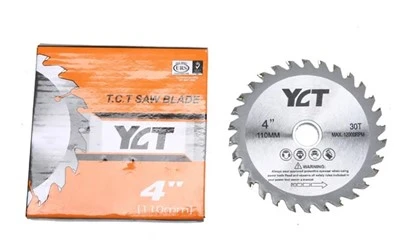

- Original Packaging: Whenever possible, keep abrasives in their original packaging. The original packaging is designed to protect the abrasives from damage, moisture, and contamination. It also provides important information about the product, such as the type of abrasive, the grit size, and the recommended applications.
- Sealed Containers: If you need to transfer abrasives to a different container, make sure the container is clean, dry, and sealed tightly. This helps to prevent moisture and dust from entering the container and damaging the abrasives.
- Labeling: Label the storage containers with the type of abrasive, the grit size, and the date of purchase. This makes it easier to identify and organize your abrasives and ensures that you use the oldest products first.
4. Handling and Storage of Different Types of Abrasives
Different types of abrasives have different storage requirements. Here are some specific tips for handling and storing common types of abrasives:
- Sandpaper and Abrasive Sheets: Roll sandpaper and abrasive sheets tightly and store them in a vertical position to prevent curling. You can also use cardboard tubes or plastic sleeves to protect the edges of the sandpaper and prevent damage.
- Abrasive Wheels and Discs: Store abrasive wheels and discs in a horizontal position to prevent warping. Make sure the wheels and discs are supported evenly to avoid damage to the edges. Use a wheel storage rack or a storage cabinet to keep the wheels and discs organized and protected.
- Wire Brushes and Abrasive Brushes: Hang wire brushes and abrasive brushes by their handles to prevent the bristles from becoming bent or damaged. You can also store them in a container or a storage rack to keep them organized and protected.
5. Inventory Management
Proper inventory management is essential for ensuring that you have the right abrasives on hand when you need them. Here are some tips to help you manage your abrasive inventory:
- First-In, First-Out (FIFO): Use the FIFO method to ensure that you use the oldest abrasives first. This helps to prevent the expiration of abrasives and reduces the risk of using outdated products.
- Regular Inventory Checks: Conduct regular inventory checks to keep track of your abrasive stock. This helps you to identify any shortages or excesses and allows you to reorder products in a timely manner.
- Inventory Tracking System: Use an inventory tracking system to monitor your abrasive inventory. This can be as simple as a spreadsheet or as complex as a barcode scanning system. An inventory tracking system helps you to manage your inventory more efficiently and accurately.
6. Inspection and Maintenance
Regular inspection and maintenance of your abrasives can help to identify any issues early on and prevent them from becoming major problems. Here are some things to look for when inspecting your abrasives:
- Damage and Wear: Check abrasives for signs of damage, such as cracks, chips, or missing grains. Also, look for signs of wear, such as a dull or worn-out surface. If you notice any damage or wear, replace the abrasive immediately.
- Contamination: Inspect abrasives for signs of contamination, such as dirt, dust, or debris. If you find any contamination, clean the abrasive thoroughly before using it.
- Expiration Date: Check the expiration date on the packaging of your abrasives. Most abrasives have a shelf life of one to two years, depending on the type of abrasive and the storage conditions. If an abrasive has expired, do not use it.
7. Safety Precautions
When handling and storing abrasives, it's important to follow safety precautions to prevent accidents and injuries. Here are some safety tips to keep in mind:
- Wear Protective Gear: Wear appropriate protective gear, such as safety glasses, gloves, and a dust mask, when handling abrasives. This helps to protect you from flying particles, dust, and other hazards.
- Follow Manufacturer's Instructions: Read and follow the manufacturer's instructions for handling, storing, and using abrasives. The manufacturer's instructions provide important information about the proper use and maintenance of the abrasives and can help you to avoid accidents and injuries.
- Store Abrasives Securely: Make sure abrasives are stored securely to prevent them from falling or tipping over. This helps to prevent accidents and injuries in the workplace.
In conclusion, proper storage of abrasives is essential for maintaining their quality and performance. By considering factors such as temperature, humidity, storage location, packaging, handling, inventory management, inspection, and safety, you can ensure that your abrasives remain in good condition and are ready to use when you need them.
If you're in the market for high-quality abrasives or have any questions about storing them, don't hesitate to reach out. We're here to help you find the right products for your needs and ensure that you get the most out of your abrasives. Let's start a conversation and see how we can work together!
References
- American Abrasives Manufacturers Association (AAMA). (n.d.). Abrasive Safety. Retrieved from [AAMA Website]
- OSHA. (n.d.). Abrasive Wheels. Retrieved from [OSHA Website]
- Various industry manuals and product specifications from leading abrasive manufacturers.


