

In today's dynamic industrial landscape, safety shoes are not just a necessity but a critical component in ensuring worker well - being. As a safety shoes supplier, I am constantly on the lookout for the latest trends that can offer the best protection and comfort to our customers. This blog post will delve into the most recent developments in the safety shoe industry.
1. Enhanced Material Technologies
The materials used in safety shoes have seen remarkable advancements. Traditional leather has long been a staple for its durability and protection. However, new synthetic materials are emerging as strong contenders.
Synthetic materials like Kevlar and carbon fiber are being increasingly used in the construction of safety shoes. Kevlar is known for its high - strength and cut - resistance properties. It can withstand sharp objects that could otherwise penetrate regular leather or other materials. Carbon fiber, on the other hand, is extremely lightweight yet incredibly strong. Safety shoes made with carbon fiber components, such as toe caps, offer the same level of protection as steel toe caps but are much lighter. This reduces fatigue on the feet, especially for workers who are on their feet for long hours.
Another interesting material trend is the use of breathable and moisture - wicking fabrics. These materials help to keep the feet dry and comfortable by allowing air to circulate and by drawing sweat away from the skin. This is particularly important in hot and humid working environments. For example, some safety shoes now incorporate Gore - Tex membranes, which are waterproof yet breathable, ensuring that the feet stay dry even in wet conditions.
2. Customization and Personalization
One of the most significant trends in safety shoes is the growing demand for customization. Workers have different foot shapes, sizes, and job requirements, and a one - size - fits - all approach no longer suffices.
Many of our customers are now asking for safety shoes that can be tailored to their specific needs. This could include custom - sized insoles for better arch support, adjustable straps for a more secure fit, or even personalized color options. Some industries, such as the military and law enforcement, often require safety shoes with specific features like additional ankle support or specialized tread patterns.
We are also seeing an increase in the demand for safety shoes that can be branded with company logos or employee names. This not only adds a professional touch but also helps with identification in large workplaces. As a safety shoes supplier, we are well - equipped to handle these customization requests, ensuring that each pair of shoes meets the unique requirements of our customers.
3. Technological Integration
The integration of technology into safety shoes is a trend that is gaining momentum. Smart safety shoes are becoming more common, with features that can enhance worker safety and productivity.
Some safety shoes are now equipped with sensors that can monitor various aspects of the wearer's activity. For example, they can track the number of steps taken, the distance traveled, and even the amount of force exerted on the feet. This data can be used to analyze worker fatigue and to identify potential areas for improvement in work processes.
In addition, there are safety shoes with built - in GPS tracking systems. These can be extremely useful in industries such as construction and mining, where workers may be in remote or hazardous locations. In case of an emergency, the GPS system can quickly locate the worker, enabling a faster response.
Another technological advancement is the use of self - cleaning and self - deodorizing materials. These materials help to keep the shoes fresh and clean, reducing the risk of foot infections and unpleasant odors.
4. Sustainability
Sustainability is a global concern, and the safety shoe industry is no exception. There is a growing demand for eco - friendly safety shoes.
Manufacturers are now using recycled materials in the production of safety shoes. For example, recycled rubber can be used for the soles, and recycled plastic can be incorporated into the upper parts of the shoes. This not only reduces the environmental impact but also helps to conserve natural resources.
In addition, some safety shoes are designed to be more energy - efficient during the manufacturing process. For instance, using water - based adhesives instead of solvent - based ones can significantly reduce the amount of harmful emissions. As a supplier, we are committed to offering a range of sustainable safety shoes to meet the needs of environmentally - conscious customers.
5. Style and Comfort
Gone are the days when safety shoes were bulky and uncomfortable. Today, style and comfort are just as important as safety.
There is a wide variety of fashionable safety shoes available in the market. From sleek and modern designs to more traditional styles, workers can now choose safety shoes that match their personal preferences. For example, Tactical Safety Boots offer a combination of style and functionality, with features like high - tech materials and aggressive tread patterns.
Comfort is also a top priority. Ergonomic designs are being used to ensure that the shoes fit well and provide adequate support. Features such as cushioned insoles, padded collars, and flexible midsoles help to reduce foot fatigue and improve overall comfort. Running Safety Shoes are a great example of this trend, offering a lightweight and comfortable option for workers who need to be on the move constantly.
6. Specialized Applications
Different industries have different safety requirements, and safety shoes are being designed to meet these specific needs.
In the healthcare industry, for example, safety shoes need to be resistant to blood - borne pathogens and chemicals. They also need to be easy to clean and disinfect. Our Leather Safety Boots are a popular choice in this industry, as they offer a combination of durability and protection.
In the food processing industry, safety shoes need to be slip - resistant and easy to clean to prevent the spread of bacteria. Some safety shoes are also designed to be resistant to oils and fats, which are common in this industry.
In the electrical industry, safety shoes need to have insulating properties to protect workers from electrical hazards. These shoes are designed with special materials that can prevent electric shocks.

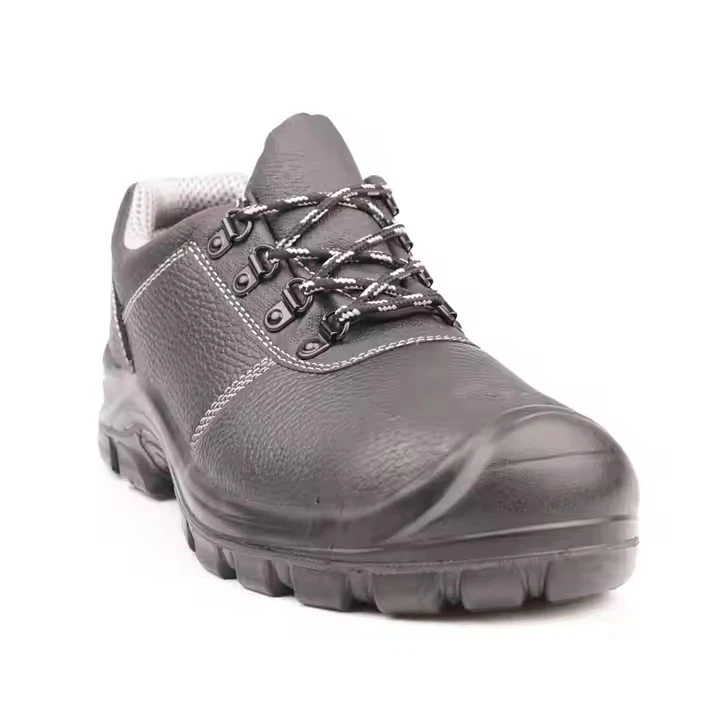
As a safety shoes supplier, we understand the unique requirements of each industry and are able to provide the right type of safety shoes for every application.
Contact for Procurement
If you are interested in learning more about our latest safety shoe trends or would like to discuss your specific procurement needs, please feel free to reach out. We have a team of experts who can provide you with detailed information and help you select the best safety shoes for your workers. Whether you need a small batch of customized safety shoes or a large - scale order, we are here to assist you.
References
- Smith, J. (2022). The Future of Safety Footwear. Journal of Industrial Safety, 15(3), 45 - 52.
- Johnson, A. (2023). Trends in Safety Shoe Technology. Safety Research Review, 20(1), 78 - 85.
- Brown, C. (2023). Sustainable Materials in Safety Footwear. Environmental Science and Safety Journal, 12(4), 67 - 74.


