

Sharing work safety goggles is a common practice in many workplaces, especially in industries where the need for eye protection is high, but the number of goggles available may be limited. While this approach can seem cost - effective and practical, it brings several significant hygiene issues that employers and workers need to be aware of. As a supplier of work safety goggles, I have witnessed firsthand the implications of sharing these essential safety tools and understand the importance of addressing these concerns.
Bacterial and Viral Contamination
One of the most prominent hygiene issues associated with sharing work safety goggles is the risk of bacterial and viral contamination. The area around the eyes is highly sensitive, and the eyes themselves are a direct entry point for pathogens. When multiple people use the same pair of goggles, they transfer their skin oils, sweat, and potentially harmful microorganisms onto the goggles.
Bacteria such as Staphylococcus aureus, which is commonly found on the skin, can thrive in the warm and moist environment created by the goggles when they are in use. If a person with an active staph infection uses the goggles and then another person uses them without proper cleaning, the second person may be at risk of developing a skin or eye infection. Viruses, including the influenza virus and the common cold virus, can also be transmitted through contact with contaminated goggles. These viruses can survive on surfaces for hours, and if a person touches the goggles and then rubs their eyes, they may contract the virus.
According to a study published in the Journal of Occupational and Environmental Hygiene, the improper sharing of personal protective equipment, including safety goggles, can significantly increase the spread of infectious diseases in the workplace. The study found that in workplaces where goggles were shared without regular cleaning, the incidence of eye infections and respiratory illnesses was higher compared to workplaces where each worker had their own dedicated goggles.
Allergic Reactions
Sharing work safety goggles can also lead to allergic reactions. Different individuals have different skin sensitivities, and the residues left on the goggles from previous users can trigger allergic responses. For example, some people may be allergic to the chemicals used in the manufacturing of the goggles, such as the plasticizers or dyes. If a person with a sensitivity to these chemicals uses goggles that have been previously worn by someone else, they may experience skin irritation, redness, or itching around the eyes.
In addition, the skin oils and sweat from other users can contain allergens such as pollen or dust mites. When these allergens accumulate on the goggles, they can cause allergic reactions in susceptible individuals. This can not only be uncomfortable for the workers but can also affect their ability to perform their jobs effectively.
Fungal Growth
Another hygiene concern is the potential for fungal growth on shared work safety goggles. Fungi thrive in warm, moist environments, and the area under the goggles, especially during long - term use, can provide an ideal breeding ground. Fungal infections of the skin around the eyes, such as ringworm, can be painful and difficult to treat.
If the goggles are not dried properly after cleaning or if they are stored in a damp environment, fungi can start to grow on the surface of the goggles. When a worker uses these contaminated goggles, the fungi can come into contact with their skin and cause an infection. This is particularly problematic in industries where workers are exposed to high humidity or wet conditions, such as construction or mining.
Impact on Vision and Goggle Performance
The accumulation of dirt, oils, and other contaminants on shared work safety goggles can also have a negative impact on vision and goggle performance. A dirty or fogged - up lens can significantly reduce visibility, which is a major safety hazard in many work environments. For example, in a manufacturing setting where workers need to operate machinery with precision, a lack of clear vision can lead to accidents and injuries.
Moreover, the build - up of contaminants can damage the anti - fog and anti - scratch coatings on the goggles. These coatings are designed to improve visibility and protect the lenses from damage, but if they are compromised, the goggles may not provide the same level of protection. For instance, a scratched lens can distort vision and increase the risk of eye strain, while a fogged - up lens can make it difficult for workers to see potential hazards.
Solutions to Hygiene Issues
To address the hygiene issues associated with sharing work safety goggles, it is essential to implement proper cleaning and maintenance procedures. Each time the goggles are used, they should be thoroughly cleaned with a mild soap and water solution. After cleaning, the goggles should be rinsed well and dried completely to prevent the growth of bacteria, fungi, and mold.
In addition to regular cleaning, it is recommended that each worker has their own dedicated pair of goggles whenever possible. This not only reduces the risk of contamination but also ensures that the goggles fit properly. A well - fitting pair of goggles provides better protection and is more comfortable to wear, which can improve worker compliance with safety regulations.
For industries where sharing goggles is unavoidable, such as in some temporary work settings or during emergencies, it is crucial to have a system in place for disinfecting the goggles between uses. There are several commercially available disinfectants that are safe to use on safety goggles and can effectively kill bacteria and viruses.
Our Product Offerings
As a work safety goggles supplier, we understand the importance of providing high - quality, hygienic goggles to our customers. We offer a wide range of safety goggles that are designed to meet the diverse needs of different industries. Our Eye Protection Glasses for Sports are not only suitable for sports activities but also for work environments where impact protection is required. These goggles are made from durable materials and have a comfortable fit to ensure long - term use.
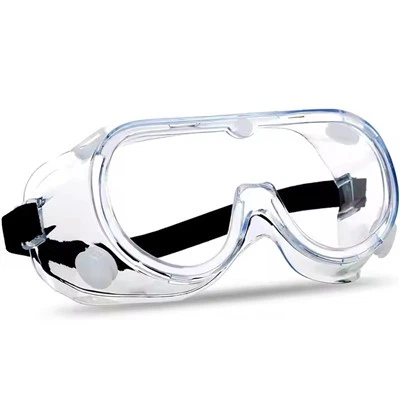
Our Anti Fog Safety Goggles Large are ideal for workplaces where fogging is a common problem. These goggles feature a special anti - fog coating that helps to maintain clear vision even in humid conditions. They also have a large field of view, which is essential for tasks that require a wide range of vision.
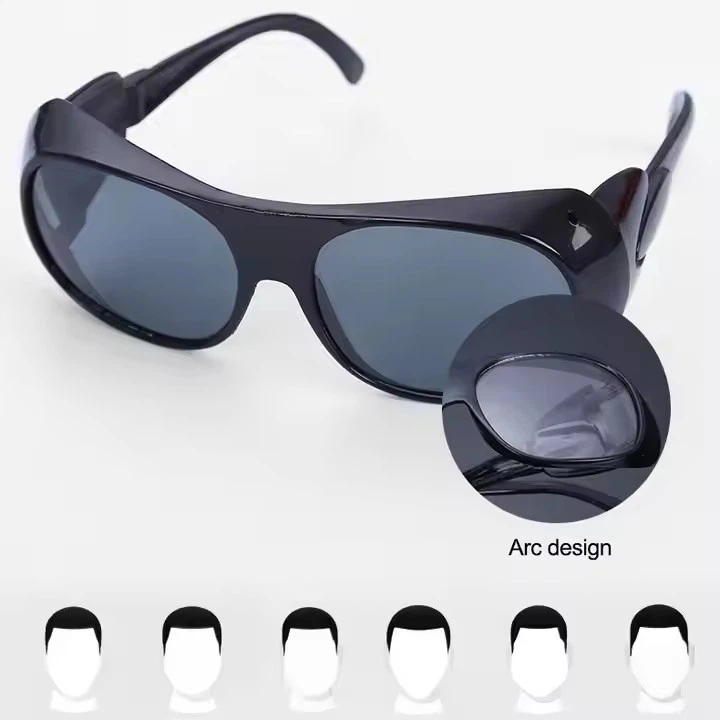
For welding applications, we offer Welder's Protective Glasses. These glasses are designed to protect the eyes from the intense light and heat generated during welding. They are made with high - quality lenses that provide excellent protection against UV and IR radiation.
Conclusion
In conclusion, while sharing work safety goggles may seem like a practical solution, it comes with several significant hygiene issues. These issues can pose a risk to the health and safety of workers and can also affect the performance of the goggles. By implementing proper cleaning and maintenance procedures and providing each worker with their own dedicated goggles whenever possible, employers can minimize these risks.
As a work safety goggles supplier, we are committed to providing our customers with the highest quality products and the best possible advice on hygiene and safety. If you are interested in purchasing work safety goggles or have any questions about our products, please feel free to contact us for a procurement discussion. We look forward to helping you ensure the safety and well - being of your workers.
References
- Journal of Occupational and Environmental Hygiene. "The Impact of Improper Sharing of Personal Protective Equipment on the Spread of Infectious Diseases in the Workplace."


