

Hey there! As a hardware tools supplier, I've seen my fair share of common problems that users face with various tools. Fixing these issues can save you time, money, and a whole lot of frustration. In this blog, I'll share some of the most prevalent problems with hardware tools and how you can solve them.
Let's start with power tools. A super common issue with drills and impact drivers is a battery that won't hold a charge. You're all set to get your project going, and then you realize your battery is dead even though you thought you charged it fully. This could be because of a few reasons. First, the battery might be old. Over time, lithium - ion batteries, which are commonly used in power tools, lose their ability to hold a full charge. If your battery is a few years old, it might be time to replace it.
Another reason could be improper charging. Make sure you're using the correct charger for your battery. Using a charger that's not designed for your specific battery can damage the battery cells and reduce its capacity. Also, avoid over - charging or under - charging the battery. Most modern chargers have built - in protection to prevent over - charging, but it's still a good idea to unplug the charger once the battery is fully charged.
Now, if your drill or impact driver is making strange noises or not working as smoothly as it used to, it could be due to a worn - out gearbox. The gears inside the tool can wear down over time, especially if you're using the tool for heavy - duty tasks. To fix this, you'll need to open up the tool (make sure it's unplugged or the battery is removed first). Check the gears for signs of wear, like chipped or broken teeth. If you find any damaged gears, you can order replacement parts from the tool manufacturer or a reliable parts supplier. Then, carefully install the new gears following the manufacturer's instructions.
Moving on to hand tools. One of the most common problems with wrenches and sockets is that they can become loose or stripped. If you're working on a project and you notice that your wrench isn't gripping the nut or bolt properly, it could be because the jaws of the wrench are worn. For adjustable wrenches, you can try tightening the adjustment screw to make the jaws grip more firmly. But if the jaws are severely worn, you might need to replace the wrench.
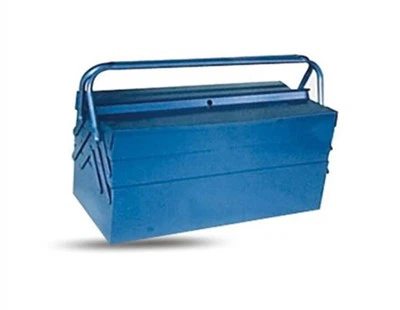
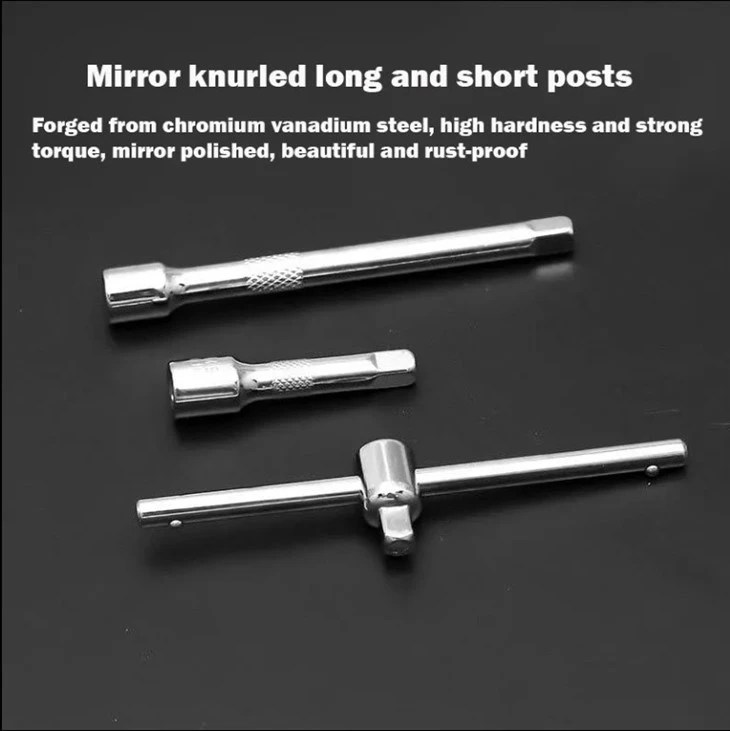
Sockets can also become stripped, especially if you're using them with the wrong size of nut or bolt. When a socket is stripped, it won't fit snugly on the fastener, making it difficult to turn. To fix this, you can try using a socket repair kit. These kits usually come with inserts that you can place inside the socket to restore its grip. If the socket is too damaged, though, you'll have to buy a new one. You can find a great selection of sockets in our Combination Tool Box.
Let's talk about grinders. A common problem with grinders is a worn - out cutting disc. If you're using a Grinder Cutting Disc for Aluminium and you notice that it's not cutting as efficiently as it used to, or if it's starting to make a lot of noise, it's probably time to replace the disc. Always make sure to use the right type of cutting disc for the material you're working on. Using the wrong disc can lead to poor performance and even be dangerous.
When replacing the cutting disc, make sure the grinder is turned off and unplugged. Then, use the appropriate wrench to remove the old disc. Install the new disc carefully, following the manufacturer's instructions. Make sure the disc is properly seated and tightened before using the grinder again.
Tool storage is another area where problems can arise. If you're using Tool Box Storage Containers, you might find that your tools are getting damaged or lost because they're not organized properly. To fix this, you can use dividers or foam inserts to keep your tools in place. You can buy pre - made dividers or make your own using materials like cardboard or plastic.
Also, make sure your tool box is the right size for your tools. If it's too small, you'll be cramming your tools in, which can lead to damage. If it's too large, your tools will be bouncing around and getting lost. Take the time to measure your tools and choose a tool box that provides enough space for them to be stored safely and organized.
Rust is a big enemy of hardware tools. Whether it's a hand tool or a power tool, rust can damage the metal parts and make the tool less effective or even unusable. To prevent rust, always store your tools in a dry place. If you're working in a humid environment, you can use a dehumidifier in your tool storage area.
If your tools have already started to rust, you can use a rust remover. There are many commercial rust removers available on the market. Apply the rust remover according to the instructions on the label, and then use a wire brush or sandpaper to remove the rust. After removing the rust, make sure to dry the tool thoroughly and apply a thin layer of oil to prevent future rusting.
In conclusion, taking care of your hardware tools and knowing how to fix common problems can extend their lifespan and save you a lot of money in the long run. Whether it's a simple issue like a loose wrench or a more complex problem with a power tool's battery, there are usually solutions available.
If you're in the market for high - quality hardware tools or need replacement parts, we're here to help. We offer a wide range of tools and accessories to meet all your project needs. Don't hesitate to reach out to us for more information or to start a procurement discussion. We're always happy to assist you in finding the right tools for your job.
References
- General knowledge from years of experience as a hardware tools supplier.
- Manufacturer's manuals for various hardware tools.


