

Maintaining a safety helmet is crucial for ensuring its effectiveness and longevity. As a safety helmet supplier, I understand the importance of proper maintenance in keeping users safe on various job sites. In this blog post, I'll share some essential tips on how to maintain a safety helmet to ensure it continues to provide reliable protection.
Regular Inspection
The first step in maintaining a safety helmet is to conduct regular inspections. Before each use, visually examine the helmet for any signs of damage, such as cracks, dents, or scratches. Pay close attention to the shell, liner, and straps. A damaged helmet may not provide adequate protection and should be replaced immediately.
Check the shell for any visible cracks or fractures. Even small cracks can compromise the helmet's structural integrity and reduce its ability to absorb impact. If you notice any cracks, do not use the helmet and replace it as soon as possible.
Inspect the liner for signs of wear or damage. The liner is designed to absorb shock and provide comfort. If the liner is torn, compressed, or missing, it may not function properly. Replace the liner if necessary to ensure optimal protection.
Examine the straps for any fraying, cuts, or loose connections. The straps are essential for keeping the helmet securely in place on your head. If the straps are damaged, they may not hold the helmet properly, increasing the risk of injury. Replace the straps if they show signs of wear.
Cleaning
Proper cleaning is essential for maintaining the hygiene and performance of a safety helmet. Over time, helmets can accumulate dirt, sweat, and other contaminants, which can affect their functionality and comfort. Here's how to clean your safety helmet:

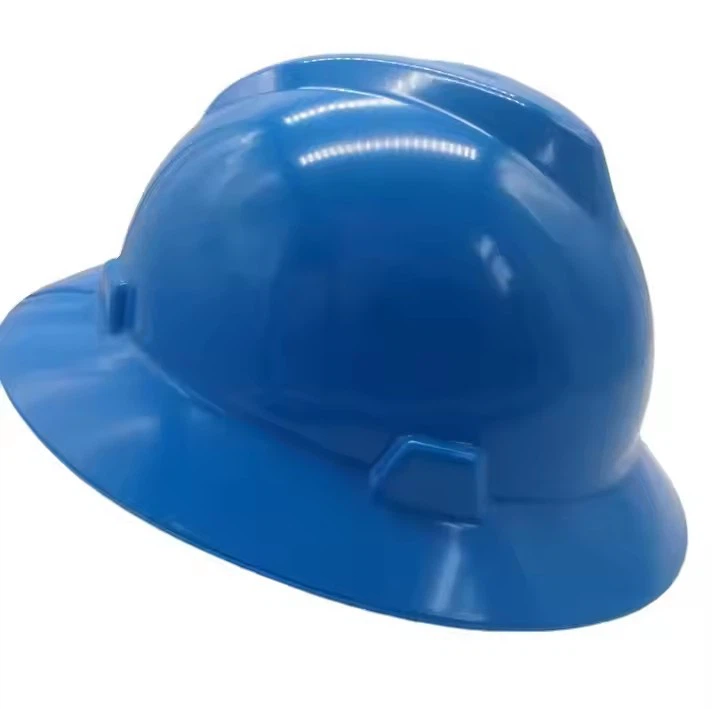
- Remove the liner and padding: Most safety helmets have removable liners and padding for easy cleaning. Follow the manufacturer's instructions to remove these components.
- Wash the liner and padding: Use mild soap and warm water to gently wash the liner and padding. Avoid using harsh chemicals or abrasive cleaners, as they can damage the materials. Rinse the liner and padding thoroughly and allow them to air dry completely before reinstalling.
- Clean the shell: Use a soft cloth or sponge dampened with mild soap and water to clean the shell of the helmet. Avoid using abrasive materials or scrubbing too hard, as this can scratch the surface of the helmet. Rinse the shell thoroughly and dry it with a clean cloth.
- Disinfect the helmet: To prevent the growth of bacteria and fungi, you can disinfect the helmet periodically. Use a disinfectant spray or wipes specifically designed for use on safety helmets. Follow the manufacturer's instructions for proper use.
Storage
Proper storage is important for protecting your safety helmet when it's not in use. Here are some tips for storing your safety helmet:
- Store the helmet in a cool, dry place: Avoid storing the helmet in direct sunlight or in areas with high humidity, as this can cause the materials to degrade over time.
- Keep the helmet away from heat sources: Exposure to high temperatures can damage the helmet's shell and liner. Do not store the helmet near heaters, radiators, or other heat sources.
- Store the helmet in a protective case: If possible, store the helmet in a protective case to prevent it from being damaged or scratched. A case can also help keep the helmet clean and organized.
- Do not stack heavy objects on the helmet: Stacking heavy objects on the helmet can cause it to deform or crack, reducing its effectiveness.
Replacement
Even with proper maintenance, safety helmets have a limited lifespan. Over time, the materials in the helmet can degrade, reducing its ability to provide adequate protection. Here are some signs that it's time to replace your safety helmet:
- Visible damage: If the helmet has cracks, dents, or other visible signs of damage, it should be replaced immediately.
- Expired warranty: Most safety helmets have a warranty period of several years. If your helmet is past its warranty period, it's a good idea to replace it.
- Excessive wear and tear: If the liner, padding, or straps are worn out or damaged, it may be time to replace the helmet.
- Change in safety standards: Safety standards for helmets may change over time. If your helmet does not meet the current safety standards, it should be replaced.
Additional Tips
Here are some additional tips for maintaining a safety helmet:
- Follow the manufacturer's instructions: Always follow the manufacturer's instructions for inspection, cleaning, and maintenance of your safety helmet.
- Train users on proper use and maintenance: Provide training to users on how to properly use and maintain their safety helmets. This can help ensure that the helmets are used correctly and maintained properly.
- Keep records of inspections and maintenance: Keep a record of all inspections and maintenance performed on your safety helmets. This can help you track the condition of the helmets and ensure that they are being properly maintained.
- Use the right helmet for the job: Make sure you are using the right type of safety helmet for the specific job you are doing. Different jobs may require different levels of protection, so choose a helmet that meets the requirements of your work environment.
In conclusion, maintaining a safety helmet is essential for ensuring its effectiveness and longevity. By following these tips, you can keep your safety helmet in good condition and provide reliable protection on the job. If you're in the market for a new safety helmet, we offer a wide range of high-quality options, including Safety Helmets for Construction Sites, Safety Helmet with Earmuff, and HDPE Safety Helmets. If you have any questions or would like to discuss your safety helmet needs, please feel free to reach out to us. We're here to help you find the right solution for your workplace safety.
References
- Safety Equipment Institute. (n.d.). Helmet Maintenance and Care. Retrieved from [Website URL]
- Occupational Safety and Health Administration. (n.d.). Personal Protective Equipment. Retrieved from [Website URL]
- Manufacturer's instructions for safety helmets.


