

In the realm of occupational safety, the importance of protecting workers from various hazards cannot be overstated. One such hazard that often goes unnoticed but can have severe long - term effects is ultraviolet (UV) rays. As a safety work glove supplier, I've witnessed firsthand how these gloves play a crucial role in safeguarding workers from the harmful impacts of UV radiation.

Understanding UV Rays and Their Dangers
UV rays are a part of the electromagnetic spectrum with wavelengths shorter than visible light. They are classified into three types: UVA, UVB, and UVC. UVC rays are mostly absorbed by the Earth's atmosphere, but UVA and UVB rays can reach the surface and pose risks to human health. UVA rays can penetrate deep into the skin, causing premature aging, wrinkles, and in some cases, skin cancer. UVB rays, on the other hand, are responsible for sunburns and also contribute to the development of skin cancer.
Workers in many industries are exposed to UV rays on a daily basis. Construction workers, farmers, fishermen, and outdoor maintenance staff are just a few examples. Prolonged exposure to UV rays can lead to skin damage, including redness, blistering, and long - term effects such as skin cancer. Therefore, it is essential to provide adequate protection to workers' hands, which are often the most exposed body part during work.
How Safety Work Gloves Protect Against UV Rays
Material Composition
The material of safety work gloves is the primary factor that determines their ability to protect against UV rays. Different materials have different levels of UV resistance.
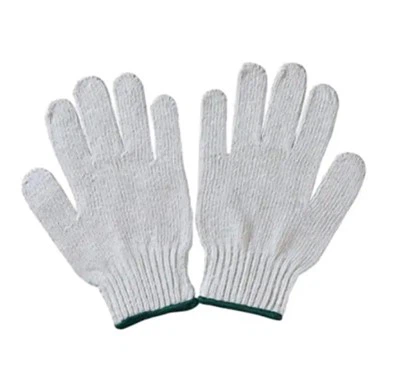
- Cotton: 100% Cotton Work Gloves offer a certain degree of protection against UV rays. Cotton fibers can block a portion of the UV radiation. However, the protection level may vary depending on the thickness and weave of the cotton fabric. Thicker cotton gloves with a tighter weave are generally more effective at blocking UV rays. But it's important to note that cotton gloves may lose some of their UV - blocking ability over time due to wear and washing.
- Latex: Cotton Latex Safety Gloves combine the comfort of cotton with the added protection of latex. Latex is a natural rubber that has good UV - resistant properties. It forms a protective barrier on the surface of the glove, preventing UV rays from reaching the skin. The latex coating on the cotton base can enhance the overall UV protection of the glove.
- PVC: PVC Coated Gloves are another popular choice for UV protection. PVC (polyvinyl chloride) is a synthetic material that is highly resistant to UV rays. The PVC coating on the gloves provides a durable and effective barrier against UV radiation. These gloves are often used in industries where workers are exposed to high levels of UV rays, such as welding and outdoor construction.
Thickness and Density
The thickness and density of the glove material also play a significant role in UV protection. Thicker gloves generally offer better protection as they can absorb and block more UV rays. A denser material with fewer gaps between the fibers or molecules is more effective at preventing UV penetration. For example, a thick PVC - coated glove will provide more UV protection than a thin cotton glove.
Color
The color of the glove can also affect its UV - blocking ability. Dark - colored gloves tend to absorb more UV rays than light - colored gloves. Black or dark - blue gloves, for instance, can absorb a significant amount of UV radiation, reducing the amount that reaches the skin. However, it's important to consider other factors such as heat absorption. Dark - colored gloves may absorb more heat, which can be uncomfortable for workers in hot environments.
Testing and Certification
To ensure the effectiveness of safety work gloves in protecting against UV rays, it is important to look for gloves that have been tested and certified. There are several international standards for UV protection in gloves. For example, the Ultraviolet Protection Factor (UPF) is a measure of how well a fabric blocks UV rays. A higher UPF rating indicates better UV protection. Gloves with a UPF rating of 50+ are considered to provide excellent protection against UV rays.
Manufacturers often conduct laboratory tests to determine the UPF rating of their gloves. These tests involve exposing the glove material to UV radiation and measuring the amount of UV that passes through. By choosing gloves with a high UPF rating, employers can be confident that they are providing their workers with effective UV protection.
Considerations for Different Industries
Construction
In the construction industry, workers are often exposed to direct sunlight for long periods. They need gloves that can provide both UV protection and durability. PVC - coated gloves are a popular choice as they offer excellent UV resistance and can withstand the rough conditions of construction work. These gloves also provide good grip, which is essential for handling tools and materials.
Agriculture
Farmers are also at risk of UV exposure while working in the fields. Cotton - based gloves, such as 100% Cotton Work Gloves, are a common choice due to their comfort and breathability. However, for longer periods of exposure, gloves with a latex or PVC coating may be more suitable to enhance UV protection.
Welding
Welding involves intense UV radiation. Specialized welding gloves are designed to protect against the high - energy UV rays produced during the welding process. These gloves are usually made of thick, heat - resistant materials with high UV - blocking properties.
Maintenance and Replacement
To maintain the UV - blocking effectiveness of safety work gloves, proper maintenance is essential. Regular cleaning of the gloves can remove dirt and debris that may reduce their UV - blocking ability. However, it's important to follow the manufacturer's instructions for cleaning. Some gloves may require special cleaning methods to avoid damaging the UV - resistant coating.
Over time, the UV - blocking properties of gloves may degrade due to wear and tear. It is important to regularly inspect the gloves for signs of damage, such as holes, tears, or thinning of the material. When the gloves show significant signs of wear, they should be replaced to ensure continuous UV protection for workers.
Conclusion
As a safety work glove supplier, I understand the importance of providing high - quality gloves that protect workers from UV rays. By choosing the right material, thickness, and color of gloves, and ensuring proper testing and certification, employers can effectively protect their workers' hands from the harmful effects of UV radiation.
If you are looking for reliable safety work gloves that offer excellent UV protection, I invite you to contact us for more information. We have a wide range of gloves, including Cotton Latex Safety Gloves, 100% Cotton Work Gloves, and PVC Coated Gloves, to meet the needs of different industries. Let's work together to ensure the safety and well - being of your workers.
References
- American Academy of Dermatology. "Ultraviolet (UV) Radiation." Accessed [Date].
- International Organization for Standardization (ISO). Standards related to personal protective equipment.
- Manufacturer's product specifications for safety work gloves.


