

Safety shoes are an essential piece of personal protective equipment (PPE) in many industries, designed to safeguard feet from a variety of workplace hazards. One question that often arises is whether safety shoes can protect against extreme temperatures. As a safety shoes supplier, I have encountered this query numerous times, and in this blog, I will delve into the science behind it and explore the capabilities of safety shoes in extreme temperature environments.
Understanding Extreme Temperatures in the Workplace
Extreme temperatures can be classified into two main categories: extreme cold and extreme heat. In cold environments, such as freezers, ice rinks, or outdoor winter work sites, workers are at risk of cold-related injuries like frostbite and hypothermia. On the other hand, extreme heat can be found in industries like foundries, glass manufacturing, and firefighting, where workers are exposed to high temperatures that can cause burns, heat exhaustion, and heatstroke.
How Safety Shoes Protect Against Extreme Cold
To protect against extreme cold, safety shoes need to provide insulation and prevent heat loss from the feet. High-quality safety shoes designed for cold environments are typically made with insulating materials such as Thinsulate or wool. These materials trap air within their fibers, creating a barrier that slows down the transfer of heat from the foot to the cold environment.
For example, some Safety Boots For Men are specifically engineered for cold weather. They feature thick, insulated linings and rubber outsoles that provide good traction on icy surfaces. The insulation not only keeps the feet warm but also helps to maintain blood circulation, reducing the risk of frostbite.

Another important aspect of cold-weather safety shoes is their ability to keep the feet dry. Moisture can quickly reduce the insulating properties of the shoe and increase the risk of cold-related injuries. Many cold-weather safety shoes are waterproof or water-resistant, preventing snow, ice, and water from seeping in.
How Safety Shoes Protect Against Extreme Heat
In extreme heat environments, safety shoes need to protect the feet from direct contact with hot surfaces and radiant heat. Heat-resistant materials such as leather, Kevlar, and fiberglass are commonly used in the construction of heat-resistant safety shoes. These materials have high melting points and can withstand high temperatures without deforming or catching fire.
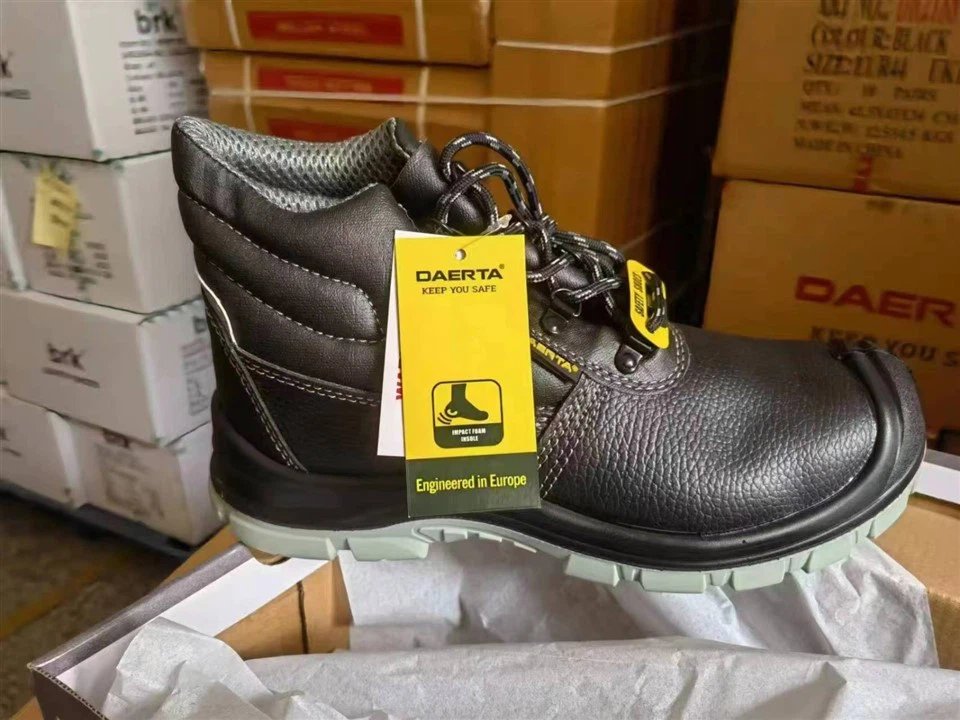
DAERTA Safety Shoes are a great example of safety shoes designed for extreme heat. They are made with heat-resistant uppers and outsoles that can protect the feet from hot surfaces up to a certain temperature. Additionally, some heat-resistant safety shoes feature reflective materials on the outside to deflect radiant heat.
Ventilation is also crucial in heat-resistant safety shoes. Good ventilation allows air to circulate around the foot, reducing heat buildup and preventing sweat from accumulating. This helps to keep the feet cool and comfortable, even in high-temperature environments.
Limitations of Safety Shoes in Extreme Temperatures
While safety shoes can provide a certain level of protection against extreme temperatures, it's important to understand their limitations. No safety shoe can provide absolute protection in all extreme temperature conditions.
In extremely cold environments, if the temperature drops below the rated insulation capacity of the shoe, the feet may still be at risk of cold-related injuries. Similarly, in extremely hot environments, if the temperature exceeds the heat resistance rating of the shoe, the shoe may start to degrade, reducing its protective capabilities.
It's also important to note that the duration of exposure to extreme temperatures can affect the performance of safety shoes. Prolonged exposure to extreme cold or heat can gradually reduce the effectiveness of the insulation or heat-resistant materials.
Choosing the Right Safety Shoes for Extreme Temperatures
When choosing safety shoes for extreme temperature environments, several factors need to be considered. Firstly, the temperature range of the workplace should be determined. This will help to select safety shoes with the appropriate insulation or heat resistance ratings.
Secondly, the type of work being performed should be taken into account. For example, if the work involves standing on hot surfaces for long periods, a shoe with a thick, heat-resistant outsole may be required. If the work involves walking on icy surfaces, a shoe with good traction and insulation is essential.
Finally, comfort is also an important factor. Safety shoes that are uncomfortable can lead to reduced productivity and increased risk of accidents. It's important to choose safety shoes that fit well and provide adequate support for the feet.
Conclusion
In conclusion, safety shoes can provide a certain level of protection against extreme temperatures, but they have their limitations. By understanding the science behind how safety shoes protect against extreme cold and heat, and by choosing the right safety shoes for the specific workplace conditions, workers can minimize the risk of temperature-related injuries.
As a safety shoes supplier, I am committed to providing high-quality safety shoes that meet the diverse needs of different industries. If you are looking for safety shoes that can protect against extreme temperatures, or if you have any questions about our products, please feel free to contact me for a procurement discussion. I am more than happy to assist you in finding the best safety shoes for your workplace.
References
- Occupational Safety and Health Administration (OSHA). (n.d.). Personal Protective Equipment. Retrieved from [OSHA official website]
- American National Standards Institute (ANSI). (n.d.). Standards for Foot Protection. Retrieved from [ANSI official website]


