

As a safety reflective vest supplier, I often encounter inquiries from customers about the impact of these vests on body movement. This concern is quite understandable, especially for those who need to perform physically demanding tasks while wearing them. In this blog, I will delve into the scientific aspects of how safety reflective vests may or may not affect body movement, based on research and practical experience.

The Design and Materials of Safety Reflective Vests
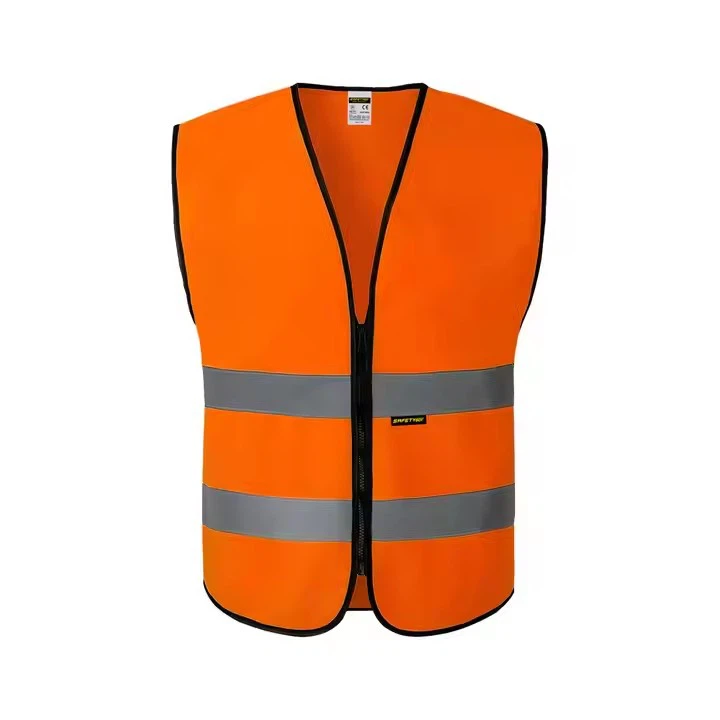
Safety reflective vests are designed to enhance visibility in low - light or high - risk environments. They typically consist of a base fabric and reflective strips. The base fabric is usually made of lightweight and breathable materials such as polyester or nylon. These materials are chosen for their durability, comfort, and ability to withstand various working conditions.
The reflective strips, which are the key feature of these vests, are made of materials that reflect light back to its source. This can be achieved through different technologies, such as micro - prismatic or glass bead reflective materials. The placement of these reflective strips is carefully designed to maximize visibility from different angles.
Impact on Range of Motion
One of the primary concerns regarding safety reflective vests is whether they restrict the wearer's range of motion. In general, well - designed safety reflective vests should not significantly impede body movement. Modern vests are designed with ergonomics in mind. They are cut to fit the natural contours of the body, allowing for a full range of motion in the arms, shoulders, and torso.
For example, when a worker is reaching overhead or bending down, the vest should move with the body rather than pulling or binding. High - quality vests are often made with stretchable materials in critical areas, such as the sides or underarms, to accommodate movement. However, if a vest is poorly sized or has rigid construction, it may cause some restrictions. A vest that is too tight can limit the ability to lift the arms fully or twist the torso, while a vest that is too loose may flap around and be a distraction.
Effect on Movement Speed
Another aspect to consider is whether safety reflective vests affect movement speed. In most cases, the weight and bulk of a standard safety reflective vest are minimal and should not have a significant impact on movement speed. The vests are lightweight, usually weighing only a few ounces to a pound or so, depending on the design and materials used.
However, in some extreme situations, such as high - intensity sports or rapid - movement activities, even a small amount of additional weight or drag from the vest could potentially have a minor effect on speed. For example, a runner wearing a reflective vest may experience a slightly increased perception of resistance, although this is likely to be negligible for most practical purposes.
Fatigue and Endurance
Long - term wear of safety reflective vests can also raise questions about fatigue and endurance. If a vest is uncomfortable or restricts movement, it can contribute to increased fatigue over time. For workers who are on their feet for long periods or performing repetitive tasks, discomfort from a poorly fitting vest can be a significant issue.
On the other hand, a well - designed vest can actually help reduce fatigue. By providing a comfortable fit and allowing for natural movement, the wearer can focus more on the task at hand rather than being distracted by the vest. Additionally, some vests are designed with features such as ventilation panels to keep the wearer cool and dry, which can also contribute to better endurance.
Practical Considerations in Different Industries
The impact of safety reflective vests on body movement can vary depending on the industry in which they are used.
Construction Industry
In the construction industry, workers need to perform a wide range of tasks, including lifting, climbing, and bending. A good safety reflective vest should allow for unrestricted movement during these activities. Many construction - specific vests are designed with reinforced stitching and additional padding in areas that are likely to experience more wear and tear. For example, vests may have extra protection on the shoulders for carrying heavy loads.
Transportation and Logistics
In transportation and logistics, workers are often on the move, walking, and handling packages. A lightweight and flexible reflective vest is essential to ensure that they can move quickly and efficiently. These vests may also need to be durable enough to withstand the rigors of daily use in a busy warehouse or shipping yard.
Emergency Services
Emergency service personnel, such as firefighters and paramedics, require vests that not only provide visibility but also do not impede their ability to perform life - saving tasks. These vests may be designed with additional features, such as pockets for carrying essential equipment, while still maintaining a high level of mobility.
Choosing the Right Safety Reflective Vest
To minimize the potential impact on body movement, it is crucial to choose the right safety reflective vest. Here are some tips:
- Proper Sizing: Ensure that the vest fits well. Measure your chest, waist, and hips accurately and refer to the manufacturer's sizing chart. A well - fitting vest should be snug but not tight.
- Quality Materials: Look for vests made from high - quality, lightweight, and breathable materials. Avoid vests with rigid or heavy - duty fabrics that may restrict movement.
- Ergonomic Design: Choose vests with an ergonomic cut that follows the natural shape of the body. Look for features such as stretchable panels and adjustable straps.
Our Product Range
As a safety reflective vest supplier, we offer a wide range of products to meet different needs. Our Reflective Safety Work Vest is designed for general work environments, providing excellent visibility and comfort. For those who need customized options, our Safety Work Vests with Logo allow you to promote your brand while ensuring safety. And our Hi - Vis Vest Reflective Vest is perfect for high - visibility situations, with bright colors and highly reflective strips.
Conclusion
In conclusion, well - designed safety reflective vests should not have a significant negative impact on body movement. By choosing the right vest based on proper sizing, quality materials, and ergonomic design, wearers can enjoy the benefits of enhanced visibility without sacrificing mobility.
If you are interested in our safety reflective vests or have any questions about how they can meet your specific needs, please feel free to contact us for procurement and further discussions. We are committed to providing you with the best safety solutions.
References
- American National Standards Institute (ANSI). (2015). ANSI/ISEA 107 - 2015 High - Visibility Safety Apparel and Headwear.
- International Safety Equipment Association (ISEA). (2020). Guidelines for the Selection, Use, and Maintenance of High - Visibility Safety Apparel.
- Smith, J. D., & Johnson, A. B. (2018). Ergonomic Considerations in the Design of Safety Apparel. Journal of Occupational Safety and Health.


