

Do safety glasses protect from radiation? That's a question I get asked a lot as a safety glasses supplier. You see, radiation is all around us, from the sun's UV rays to the more invisible types like infrared and even some man - made radiations in certain work environments. So, let's dig into whether safety glasses can actually offer protection against it.
First off, we need to understand the different types of radiation. UV radiation, for example, is something we're all exposed to every day when we go outside. The sun emits UV rays, which can be harmful to our eyes. Prolonged exposure to UV radiation can lead to various eye problems, like cataracts, pterygium (that's a growth on the surface of the eye), and photokeratitis, which is basically a sunburn of the eye.
Now, the good news is that many safety glasses are designed to block UV radiation. Most high - quality safety glasses on the market offer at least 99% protection against UV rays. The lenses are treated with special coatings that absorb or reflect the UV light before it can reach your eyes. For instance, if you're working outdoors all day, like construction workers, landscapers, or farmers, wearing safety glasses with proper UV protection is a must.
But what about other types of radiation? Infrared radiation is another form that can be a concern, especially in industries where there are high - heat sources. Welding is a prime example. When you're welding, the intense heat produces a significant amount of infrared radiation. If you don't protect your eyes, it can cause long - term damage, such as damage to the retina.
For this kind of situation, specialized safety glasses or goggles are needed. These glasses have lenses that are specifically designed to block infrared radiation. They're usually darker in color and have different optical properties compared to regular safety glasses. Some of the Work Safety Goggles we supply are perfect for these high - risk jobs. They not only protect against infrared radiation but also from flying debris and sparks that are common in welding.
In addition to natural and industrial radiations, there are also man - made radiations in some workplaces. For example, in the medical field, X - rays and gamma rays are used for diagnostic and treatment purposes. While the doses are usually carefully controlled, it's still important for the medical staff to protect their eyes. There are safety glasses available that can offer some level of protection against these types of ionizing radiation. However, it's a more complex situation, and the glasses need to be tested and certified for this specific use.
Now, let's talk about the quality and standards of safety glasses when it comes to radiation protection. In many countries, there are strict standards that safety glasses must meet. For example, in the United States, the Occupational Safety and Health Administration (OSHA) has regulations regarding eye protection in the workplace. Safety glasses that claim to offer radiation protection need to be tested to ensure they meet these standards.
When you're choosing safety glasses for radiation protection, you should look for labels and markings on the glasses. These markings can tell you what types of radiation the glasses are designed to block and to what extent. For example, a label might indicate that the glasses offer 99% UV protection or are suitable for a certain level of infrared radiation.
But it's not just about the radiation protection. Comfort is also a key factor. If the safety glasses are too uncomfortable to wear, people won't wear them, and that defeats the purpose. We've put a lot of effort into designing safety glasses that are not only protective but also comfortable. Our frames are made from lightweight materials, and they're adjustable to fit different head sizes and shapes. Whether you're wearing them for a few hours or all day long, you'll find them easy to wear.
Another aspect to consider is the durability of the safety glasses. In many work environments, the glasses can get knocked around, scratched, or exposed to harsh chemicals. That's why we use high - quality materials for our lenses and frames. The lenses are scratch - resistant, and the frames are strong enough to withstand some rough handling.
Let's also touch on the different styles of safety glasses. There are full - frame safety glasses, which offer more coverage and protection around the eyes. They're great for jobs where there's a risk of debris coming from all directions. Then there are half - frame safety glasses, which are more lightweight and might be more suitable for some sports or less - intense work environments. If you're into sports, you might want to check out our Eye Protection Glasses for Sports. They're designed to be both protective and stylish, so you can look good while keeping your eyes safe.
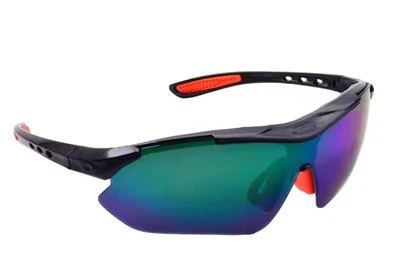
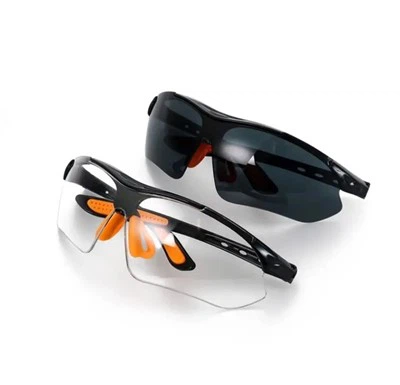
And for those who work in dusty environments, we have Best Anti Dust Safety Glasses. These glasses have a tight - fitting design to prevent dust from getting into your eyes. They're also great for protecting against some types of particulate radiation if you're in an environment where there are small particles floating around.
In conclusion, safety glasses can offer protection against various types of radiation, but it depends on the type of glasses and the specific radiation. Whether it's UV rays from the sun, infrared radiation in industrial settings, or other forms of man - made radiation, there are safety glasses available to meet your needs.
If you're in the market for safety glasses that offer reliable radiation protection, we're here to help. We have a wide range of products to choose from, and our team of experts can assist you in finding the right glasses for your specific situation. Don't hesitate to reach out to us for more information or to start a procurement discussion. We're committed to providing you with the best safety solutions for your eyes.
References
- Occupational Safety and Health Administration (OSHA) regulations on eye protection
- Research studies on the effects of different types of radiation on the eyes
- Industry standards for safety glasses and their testing methods


