

Can safety work gloves be used in food processing? This is a question that often arises in the food industry, and as a safety work glove supplier, I'm here to provide a comprehensive answer.
Understanding the Requirements of Food Processing
Food processing is a highly regulated industry with strict hygiene and safety standards. The primary concern is to prevent any contamination of the food products, which could lead to health risks for consumers. These risks can include the transfer of chemicals, microorganisms, or foreign objects from the gloves to the food.
The food safety regulations vary from country to country, but generally, they require gloves used in food processing to be made from materials that are non - toxic, food - grade, and easy to clean. Gloves should also be free from any loose fibers, particles, or chemicals that could leach into the food.

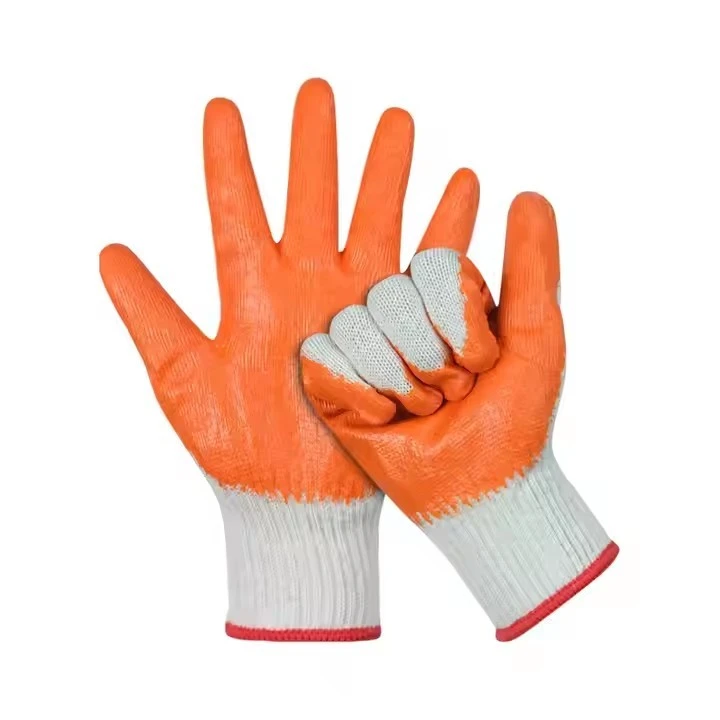
Types of Safety Work Gloves and Their Suitability for Food Processing
1. Welding Leather Gloves for Men
Welding Leather Gloves for Men are typically designed for high - heat applications in welding and metalworking. These gloves are made from thick leather to protect the hands from burns, sparks, and sharp objects. However, they are not suitable for food processing. Leather is a porous material that can absorb moisture, dirt, and bacteria. It is difficult to clean thoroughly, and there is a high risk of cross - contamination. Additionally, the leather may be treated with chemicals during the tanning process, which could be harmful if they come into contact with food.
2. PVC Coated Gloves
PVC Coated Gloves are commonly used in various industries for their durability and chemical resistance. In food processing, PVC gloves can be a suitable option if they are specifically designed for food contact. Food - grade PVC gloves are made from materials that comply with food safety regulations. They are smooth, non - porous, and easy to clean, which helps prevent the growth and transfer of bacteria. PVC gloves also provide a good barrier against water, oils, and some chemicals, making them useful for handling raw meat, poultry, and other wet food products.
3. Cotton Latex Coated Gloves
Cotton Latex Coated Gloves combine the comfort of cotton with the grip and protection of latex coating. The cotton inner layer absorbs sweat, while the latex coating provides a barrier against liquids and some chemicals. These gloves can be used in food processing, but there are some considerations. Some people may be allergic to latex, so it's important to provide alternative options in the workplace. Also, the latex coating should be food - grade to ensure safety. If the latex is not of high quality, it may break down over time and release particles that could contaminate the food.
Factors to Consider When Choosing Gloves for Food Processing
- Material Quality: As mentioned earlier, the gloves should be made from food - grade materials. Look for gloves that are certified by relevant food safety authorities, such as the FDA in the United States or the European Union's food safety regulations.
- Fit and Comfort: Gloves that fit properly are essential for worker safety and productivity. Ill - fitting gloves can cause discomfort, reduce dexterity, and increase the risk of accidents. Workers should be able to perform their tasks easily without the gloves slipping or restricting movement.
- Durability: Food processing can be a demanding environment, with workers handling sharp objects, hot surfaces, and abrasive materials. Gloves should be durable enough to withstand the rigors of the job without tearing or puncturing easily.
- Cleanability: Gloves should be easy to clean and sanitize. They should be able to withstand regular washing and disinfection without losing their integrity or functionality.
Benefits of Using Suitable Safety Work Gloves in Food Processing
- Food Safety: By using the right gloves, the risk of food contamination is significantly reduced. This helps ensure that the food products meet the required safety standards and are safe for consumers to eat.
- Worker Protection: Gloves protect the hands of workers from cuts, burns, and chemical exposure. This reduces the risk of workplace injuries and improves worker well - being.
- Compliance: Using gloves that comply with food safety regulations helps food processing companies avoid legal issues and penalties. It also enhances the company's reputation in the market.
Conclusion
In conclusion, not all safety work gloves are suitable for food processing. While some types, such as food - grade PVC gloves and properly designed cotton latex coated gloves, can be used safely, others like welding leather gloves are not appropriate. As a safety work glove supplier, I understand the importance of providing the right products for different industries. We offer a wide range of gloves that are specifically designed for food processing, ensuring both food safety and worker protection.
If you are in the food processing industry and are looking for high - quality safety work gloves, I encourage you to contact us for a detailed discussion. We can help you choose the most suitable gloves based on your specific needs and requirements. Our team of experts is always ready to assist you in making the right decision for your business.
References
- Food and Drug Administration (FDA). "Food Contact Substances Notification Program."
- European Union. "Regulations on Food Safety and Hygiene."
- Occupational Safety and Health Administration (OSHA). "Hand Protection in the Workplace."


