

Can safety shoes be used in wet conditions? This is a question that often comes up among workers in various industries, especially those who work in environments where wet floors, rain, or other forms of moisture are common. As a safety shoes supplier, I've encountered this query numerous times, and I'm here to provide a comprehensive answer based on scientific knowledge and practical experience.
Understanding the Basics of Safety Shoes
Before delving into the use of safety shoes in wet conditions, it's essential to understand what safety shoes are and what they are designed for. Safety shoes are specialized footwear designed to protect the feet from various workplace hazards, such as falling objects, sharp edges, electrical shocks, and chemical spills. They are typically made with reinforced toe caps, puncture-resistant soles, and other safety features to ensure maximum protection.
Most safety shoes are constructed with materials that are durable and resistant to wear and tear. However, not all safety shoes are created equal, and their performance can vary depending on the specific design, materials used, and intended application.
Factors to Consider When Using Safety Shoes in Wet Conditions
When it comes to using safety shoes in wet conditions, several factors need to be taken into account:
1. Slip Resistance
One of the most critical factors in wet conditions is slip resistance. Wet floors can significantly increase the risk of slips, trips, and falls, which can lead to serious injuries. Safety shoes with good slip-resistant soles are essential to reduce this risk.
Slip resistance is determined by the coefficient of friction between the sole of the shoe and the floor surface. A higher coefficient of friction indicates better slip resistance. When choosing safety shoes for wet conditions, look for soles that are specifically designed to provide excellent traction on wet surfaces. Some soles are made with special rubber compounds or have unique tread patterns that enhance grip in wet environments.
2. Water Resistance
Another important factor is water resistance. Safety shoes that are water-resistant can help keep the feet dry, which is not only more comfortable but also reduces the risk of skin problems and infections.
Water-resistant safety shoes are typically made with materials that repel water, such as waterproof leather or synthetic materials. Some shoes also have a waterproof membrane or lining to prevent water from seeping in. However, it's important to note that water-resistant does not mean completely waterproof. Over time, water may still penetrate the shoe, especially if it is exposed to prolonged or heavy wet conditions.
3. Breathability
While water resistance is important, breathability is also crucial, especially in wet conditions. When the feet are wet, they can become sweaty, which can create a moist environment that is conducive to the growth of bacteria and fungi. Breathable safety shoes allow air to circulate, helping to keep the feet dry and reducing the risk of foot odor and infections.
Look for safety shoes that have breathable materials, such as mesh or perforated leather, or features like ventilation holes. These design elements can help improve air circulation and keep the feet comfortable.
4. Durability
Wet conditions can be harsh on safety shoes, so durability is an important consideration. The constant exposure to water, moisture, and chemicals can cause the materials to break down over time, reducing the effectiveness of the safety features.
Choose safety shoes that are made with high-quality materials and have a robust construction. Reinforced stitching, durable soles, and strong toe caps can all contribute to the longevity of the shoes. Additionally, proper maintenance and care can help extend the lifespan of safety shoes in wet conditions.
Types of Safety Shoes Suitable for Wet Conditions
There are several types of safety shoes that are well-suited for wet conditions:
1. Metatarsal Work Shoes
Metatarsal work shoes provide protection not only to the toes but also to the metatarsal bones in the foot. These shoes are often used in industries where there is a risk of heavy objects falling on the feet or where workers are exposed to sharp objects.
In wet conditions, metatarsal work shoes with slip-resistant soles and water-resistant materials can be a great choice. They offer both protection and functionality, ensuring that workers can perform their tasks safely and comfortably.
2. Rockland Safety Shoes
Rockland safety shoes are known for their durability and performance. They are often made with high-quality materials and are designed to withstand tough working conditions.
Many Rockland safety shoes have features that make them suitable for wet conditions, such as slip-resistant soles, water-resistant uppers, and breathable linings. These shoes are a popular choice among workers in industries like construction, manufacturing, and agriculture.
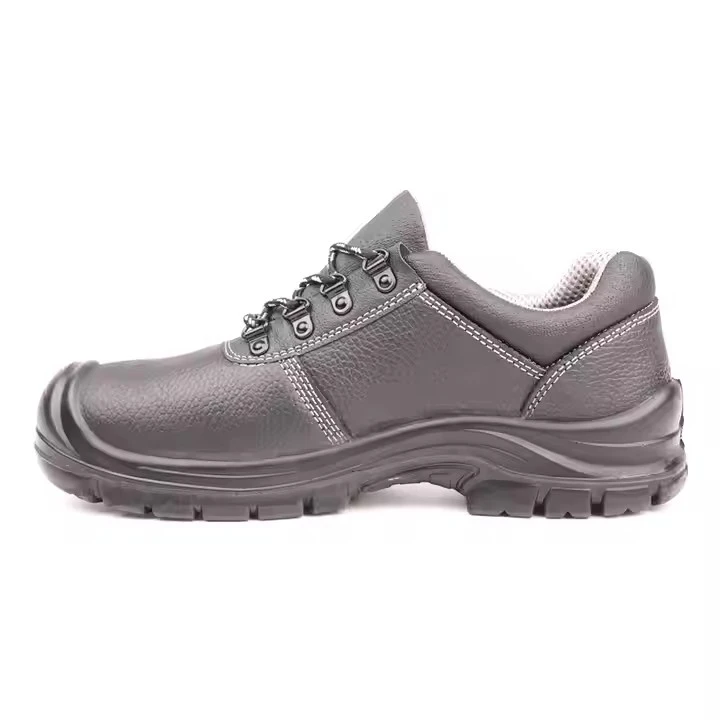

3. Running Safety Shoes
Running safety shoes combine the comfort and flexibility of running shoes with the safety features of traditional work shoes. They are a great option for workers who need to be on their feet for long periods and who require a high level of mobility.
In wet conditions, running safety shoes with good slip resistance and water resistance can provide both comfort and protection. Their lightweight design and flexible soles make them ideal for tasks that require quick movements and agility.
Tips for Using Safety Shoes in Wet Conditions
To ensure the best performance and longevity of safety shoes in wet conditions, here are some tips:
- Choose the Right Shoes: Select safety shoes that are specifically designed for wet conditions and that meet the requirements of your workplace. Consider factors such as slip resistance, water resistance, breathability, and durability.
- Inspect Regularly: Check your safety shoes regularly for signs of wear and tear, such as worn-out soles, damaged stitching, or water penetration. Replace any shoes that are no longer providing adequate protection.
- Clean and Dry Properly: After each use in wet conditions, clean your safety shoes to remove dirt, debris, and moisture. Allow them to dry thoroughly in a well-ventilated area before storing them. Avoid drying them near direct heat sources, as this can damage the materials.
- Use Protective Covers: In extremely wet conditions, consider using waterproof shoe covers over your safety shoes to provide an extra layer of protection. These covers can help keep the shoes dry and extend their lifespan.
- Follow Manufacturer's Instructions: Always follow the manufacturer's instructions for care and maintenance of your safety shoes. This will help ensure that they continue to perform at their best and provide the necessary protection.
Conclusion
In conclusion, safety shoes can be used in wet conditions, but it's important to choose the right shoes and take proper care of them. By considering factors such as slip resistance, water resistance, breathability, and durability, and by following the tips outlined above, workers can use safety shoes effectively and safely in wet environments.
As a safety shoes supplier, I'm committed to providing high-quality safety shoes that meet the needs of workers in various industries, including those who work in wet conditions. If you're interested in purchasing safety shoes for your workplace or have any questions about using safety shoes in wet conditions, please don't hesitate to contact me. I'm here to help you find the right safety shoes for your specific requirements and to ensure the safety and well-being of your workers.
References
- American Society for Testing and Materials (ASTM). (2023). Standard test methods for slip resistance of footwear and test surfaces/flooring using a whole shoe tester. ASTM F1677-18.
- Occupational Safety and Health Administration (OSHA). (2023). Foot protection. 29 CFR 1910.136.
- National Institute for Occupational Safety and Health (NIOSH). (2023). Preventing slips, trips, and falls in the workplace. Publication No. 2023-101.


