

Can safety shoes be used in construction sites? This is a question that many people in the construction industry often ask. As a safety shoes supplier, I'd like to delve deep into this topic and provide a comprehensive answer.
The Necessity of Safety Shoes in Construction Sites
Construction sites are inherently hazardous environments. Workers are exposed to a variety of risks on a daily basis, including falling objects, sharp tools, electrical hazards, and slippery surfaces. Safety shoes are designed to protect workers from these potential dangers.
One of the primary functions of safety shoes is to protect the feet from impact. On construction sites, heavy objects such as bricks, tools, or building materials can fall from heights and cause serious injuries to the feet. Safety shoes with steel toes or composite toes can absorb the impact energy and prevent the foot from being crushed. For example, Rockland Safety Shoes are equipped with high - quality toe caps that meet strict safety standards, providing reliable protection against falling objects.
In addition to impact protection, safety shoes also offer protection against punctures. Construction sites are full of sharp objects like nails, wires, and broken glass. A regular shoe can easily be penetrated by these objects, leading to foot injuries. Safety shoes have puncture - resistant soles that can prevent sharp objects from piercing through and reaching the foot. DAERTA Safety Shoes are well - known for their excellent puncture - resistant properties, which make them a great choice for construction workers.
Electrical hazards are another concern on construction sites. Workers may come into contact with live electrical wires or equipment. Safety shoes with electrical hazard protection can act as an insulator and reduce the risk of electric shock. These shoes are designed to resist the flow of electricity, providing an extra layer of safety for workers.
Types of Safety Shoes Suitable for Construction Sites
There are several types of safety shoes available in the market, each with its own features and benefits.
Steel - Toe Safety Shoes: These are the most common type of safety shoes used in construction sites. The steel toe provides excellent impact protection, but they can be a bit heavy. However, modern steel - toe safety shoes are designed to be more lightweight and comfortable than ever before. They are suitable for general construction work where there is a risk of falling objects.

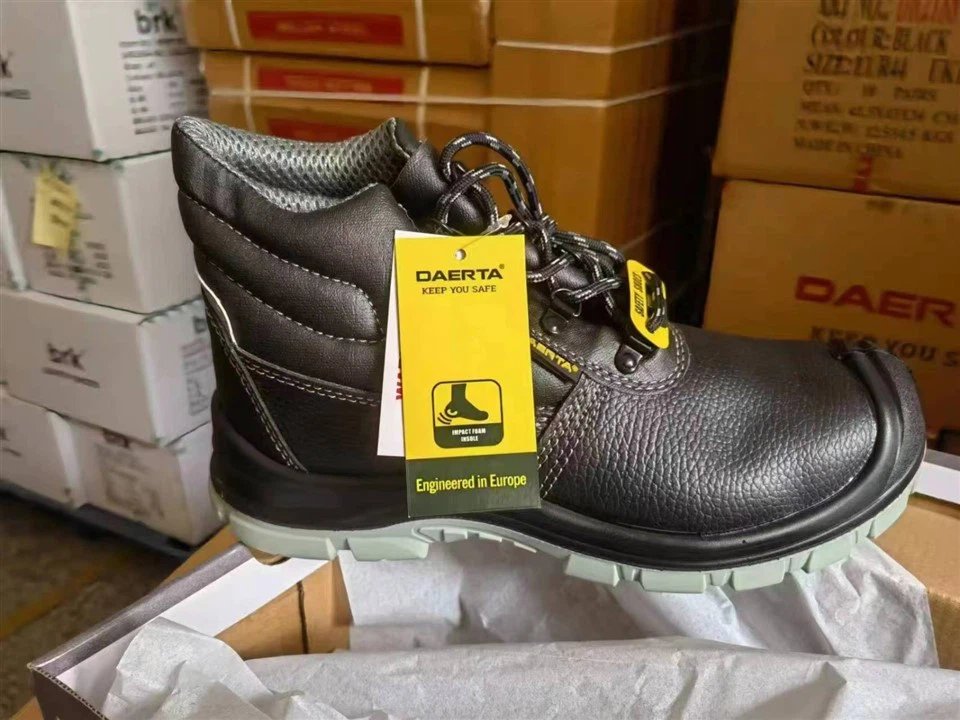
Composite - Toe Safety Shoes: Composite - toe safety shoes are made from non - metallic materials such as carbon fiber, Kevlar, or fiberglass. They are lighter than steel - toe shoes, which makes them a great option for workers who need to be on their feet for long periods. They also offer good impact protection and are non - conductive, which is beneficial in electrical work areas. Work Safety Skechers offers a range of composite - toe safety shoes that combine style and functionality.
Waterproof Safety Shoes: Construction work often takes place outdoors, and workers may have to work in wet conditions. Waterproof safety shoes are designed to keep the feet dry and comfortable in rainy or wet environments. They are lined with waterproof materials and have sealed seams to prevent water from seeping in.
Comfort and Fit of Safety Shoes
While safety is the top priority, comfort and fit are also crucial factors when choosing safety shoes for construction sites. Ill - fitting shoes can cause discomfort, blisters, and foot fatigue, which can reduce productivity and increase the risk of accidents.
Safety shoes should be well - padded to provide cushioning and support. The insole should be breathable to prevent sweating and odor. Adjustable straps or laces can help ensure a snug fit, allowing workers to adjust the tightness according to their needs.
We understand that different workers have different foot shapes and sizes. That's why we offer a wide range of safety shoes in various sizes and widths to ensure that every worker can find a pair of shoes that fit them perfectly.
Maintenance of Safety Shoes
Proper maintenance of safety shoes is essential to ensure their effectiveness and longevity. Here are some maintenance tips:
- Clean Regularly: After each use, clean the safety shoes with a soft brush or cloth to remove dirt, dust, and debris. This helps prevent the build - up of grime, which can damage the shoe's material over time.
- Inspect for Damage: Regularly inspect the safety shoes for signs of wear and tear, such as cracks, holes, or loose parts. If any damage is found, replace the shoes immediately to ensure continued safety.
- Store Properly: Store the safety shoes in a cool, dry place when not in use. Avoid storing them in direct sunlight or near heat sources, as this can cause the material to deteriorate.
Conclusion
In conclusion, safety shoes are not only suitable but also essential for construction sites. They provide vital protection against various hazards, including impact, puncture, and electrical shock. With the right type of safety shoes, construction workers can carry out their tasks with greater peace of mind and reduced risk of injury.
As a safety shoes supplier, we are committed to providing high - quality safety shoes that meet the diverse needs of construction workers. Our products, including Rockland Safety Shoes, DAERTA Safety Shoes, and Work Safety Skechers, are rigorously tested to ensure they meet or exceed industry safety standards.
If you are involved in the construction industry and are looking for reliable safety shoes, we invite you to contact us for a detailed discussion about your requirements. We are more than happy to help you select the most suitable safety shoes for your workforce.
References
- National Institute for Occupational Safety and Health (NIOSH). "Occupational Foot Injuries: A Prevention Guide for the Workplace."
- American National Standards Institute (ANSI). "Safety Requirements for Foot Protection."


