

As a supplier of Work Safety Skechers, I often get asked whether these shoes are suitable for HVAC (Heating, Ventilation, and Air Conditioning) work. In this blog post, I'll explore the key factors to consider when choosing footwear for HVAC work and whether Work Safety Skechers can meet the requirements.
The Demands of HVAC Work
HVAC work involves a variety of tasks that put unique demands on footwear. Technicians may need to move around different job sites, including residential homes, commercial buildings, and industrial facilities. They often work in confined spaces, climb ladders, and handle heavy equipment. Additionally, HVAC work can expose workers to various hazards, such as sharp objects, electrical risks, and slippery surfaces.

Physical Activity
HVAC technicians are constantly on the move, walking, bending, kneeling, and climbing throughout the day. This requires footwear that provides good support and comfort to prevent fatigue and reduce the risk of injuries. A shoe with proper arch support and cushioning can help absorb shock and reduce stress on the feet and joints.
Hazard Protection
One of the most important aspects of work safety footwear is hazard protection. HVAC work can involve exposure to sharp tools, nails, and debris, as well as electrical hazards. Steel toe shoes are commonly recommended for protecting the feet from impact and compression injuries. They have a reinforced toe cap that can withstand a certain amount of force without deforming.
In addition to steel toe protection, some HVAC technicians may also need footwear with electrical hazard (EH) protection. EH-rated shoes are designed to reduce the risk of electrical shock by providing insulation between the wearer and the ground. These shoes are typically made with non-conductive materials and have special soles that meet specific electrical safety standards.
Slip Resistance
Another crucial factor in HVAC work is slip resistance. Technicians may encounter wet or oily surfaces, especially when working on refrigeration systems or in areas with water leaks. Slip-resistant shoes have a special outsole design that provides better traction on slippery surfaces, reducing the risk of falls and injuries.
Features of Work Safety Skechers
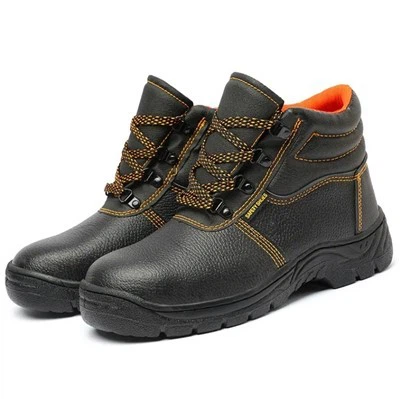
Work Safety Skechers are designed to meet the needs of various industries, including HVAC. These shoes combine style and functionality, offering a range of features that make them suitable for the demands of HVAC work.
Comfort
One of the key advantages of Work Safety Skechers is their comfort. They are made with high-quality materials and advanced technology to provide a comfortable fit throughout the day. Many models feature memory foam insoles that conform to the shape of the feet, providing customized support and cushioning. Additionally, Skechers shoes often have a lightweight design, which can reduce fatigue and make it easier to move around.
Safety Features
Work Safety Skechers also offer a variety of safety features to protect the feet. Many models come with steel toe caps that meet or exceed industry standards for impact and compression protection. They also have electrical hazard (EH) protection, which can help reduce the risk of electrical shock.
In addition to steel toe and EH protection, some Work Safety Skechers models also feature slip-resistant outsoles. These outsoles are designed to provide excellent traction on a variety of surfaces, including wet and oily floors. This can help prevent slips and falls, which are common hazards in HVAC work.
Style
Unlike traditional work boots, Work Safety Skechers come in a variety of styles and colors, allowing technicians to choose a shoe that suits their personal taste. This can be especially important for HVAC technicians who may need to wear their work shoes in different settings, including customer homes and commercial buildings.
Considerations for HVAC Work
While Work Safety Skechers offer many benefits for HVAC work, there are a few considerations to keep in mind when choosing the right shoe.
Fit
Proper fit is essential for both comfort and safety. HVAC technicians should choose a shoe that fits well and provides enough room for the toes to move freely. A shoe that is too tight can cause discomfort and increase the risk of blisters and other foot problems, while a shoe that is too loose can affect stability and increase the risk of tripping.
Activity Level
The type of HVAC work you do can also affect your choice of footwear. If you spend a lot of time climbing ladders or working in confined spaces, you may need a shoe with a more flexible sole and better ankle support. On the other hand, if you spend most of your time standing or walking on flat surfaces, you may be able to choose a shoe with a more cushioned sole for added comfort.
Hazard Exposure
The level of hazard exposure in your HVAC work is another important factor to consider. If you work in an environment with a high risk of impact or compression injuries, you may need a shoe with a stronger steel toe cap. Similarly, if you are exposed to electrical hazards, you should choose a shoe with EH protection.
Conclusion
In conclusion, Work Safety Skechers can be a suitable choice for HVAC work. They offer a combination of comfort, safety features, and style, making them a popular option among HVAC technicians. However, it's important to choose the right shoe based on your specific needs and the requirements of your job.
When selecting Work Safety Skechers for HVAC work, consider factors such as fit, activity level, and hazard exposure. Make sure the shoes have the necessary safety features, such as steel toe caps and slip-resistant outsoles. Additionally, choose a shoe that is comfortable and provides good support to prevent fatigue and reduce the risk of injuries.
If you're interested in purchasing Work Safety Skechers for your HVAC team, I encourage you to visit our website to explore our range of products. We offer a variety of styles and sizes to meet the needs of different workers. You can also contact us to discuss your specific requirements and get more information about our products. Our team of experts is always ready to help you find the right safety footwear for your job.
References
- Occupational Safety and Health Administration (OSHA). (n.d.). Foot protection. Retrieved from OSHA website
- American National Standards Institute (ANSI). (2018). ANSI Z41-1999/ANSI/ISEA 107-2016: American national standard for protective footwear.
- Skechers. (n.d.). Work safety shoes. Retrieved from Skechers website


