As a safety helmet supplier deeply entrenched in the industry, I often encounter a pivotal question from our clients: Can a safety helmet prevent head injuries completely? This query goes to the heart of what we do, as ensuring the safety of workers is our top priority. In this blog post, I aim to delve into this complex issue with a scientific and practical perspective.
How Safety Helmets Work
To understand the effectiveness of safety helmets, we first need to grasp how they function. A safety helmet is designed to absorb and disperse the force of an impact. When an object strikes the helmet, the outer shell, usually made of materials like high - density polyethylene (HDPE), plays a crucial role. HDPE is known for its high strength - to - density ratio, which allows it to resist penetration. You can explore our range of HDPE Safety Helmets to see the quality of materials we use.
Underneath the outer shell, there is a suspension system. This system is designed to further absorb the impact energy by spreading it over a larger area of the head. It typically consists of straps and padding that cradle the head and help reduce the direct force on the skull. When an impact occurs, the suspension compresses, slowing down the deceleration of the head and minimizing the risk of severe injury.
Factors Affecting Helmet Effectiveness
However, it's important to note that while safety helmets are highly effective, they cannot guarantee complete prevention of head injuries. There are several factors that can influence their performance.
Impact Force and Type: The force of an impact is a critical factor. If the impact force is extremely high, such as from a heavy object falling from a great height, the helmet may not be able to absorb all the energy. For example, a large steel beam dropping from several stories can generate a force that exceeds the helmet's design limits. Additionally, the type of impact matters. A direct, concentrated blow, like from a sharp object, may be more likely to penetrate the helmet compared to a broader, more distributed impact.
Helmet Quality and Condition: The quality of the helmet is paramount. Low - quality helmets may not meet the necessary safety standards. They may have weak outer shells or ineffective suspension systems. Moreover, the condition of the helmet is also crucial. A helmet that has been damaged, either from previous impacts or due to environmental factors like prolonged exposure to sunlight or chemicals, may not perform as expected. Regular inspection and replacement of helmets are essential to ensure their continued effectiveness.
User Behavior: How the user wears the helmet also affects its performance. If the helmet is not properly adjusted or worn at an incorrect angle, it may not provide adequate protection. For instance, if the straps are too loose, the helmet may shift during an impact, leaving parts of the head exposed. Workers need to be trained on the correct way to wear and maintain their helmets.
Real - World Data on Helmet Effectiveness
Numerous studies have been conducted to evaluate the effectiveness of safety helmets. According to research, wearing a safety helmet can significantly reduce the risk of head injuries. In construction sites, for example, where head injuries are a common hazard, helmets have been shown to reduce the severity of injuries in many cases.
However, the data also shows that there are still instances where head injuries occur despite the use of helmets. A study published in the Journal of Safety Research found that while helmets can prevent many minor and moderate head injuries, they are less effective in preventing severe traumatic brain injuries in high - energy impacts. This highlights the fact that while helmets are a vital safety measure, they are not a foolproof solution.
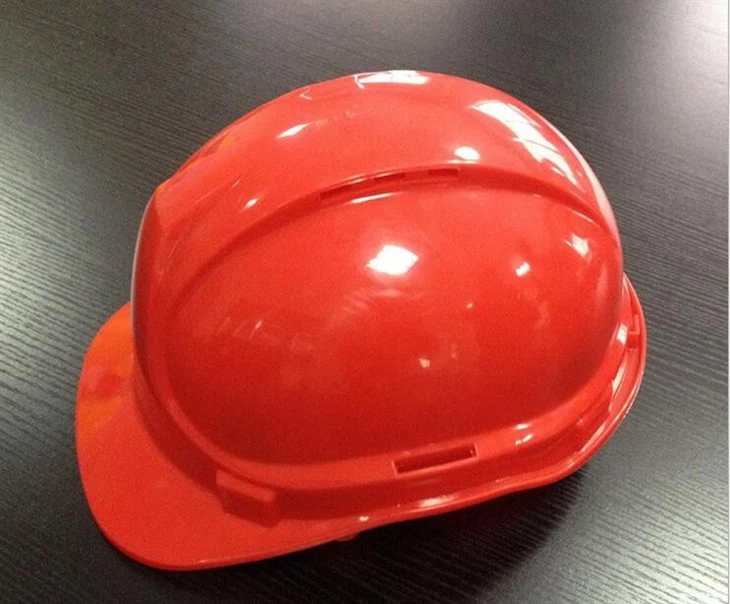

Our Product Range and Safety Features
At our company, we are committed to providing high - quality safety helmets that offer the best possible protection. Our Safety Helmets for Construction Sites are designed to meet the rigorous demands of the construction industry. They are made from top - grade materials and undergo strict quality control processes to ensure they meet or exceed industry standards.
In addition to our standard helmets, we also offer specialized models such as the Safety Helmet with Earmuff. This innovative product combines head protection with hearing protection, addressing multiple safety concerns in one device. The earmuffs are designed to fit comfortably with the helmet, providing a seamless and effective safety solution for workers in noisy environments.
Conclusion and Call to Action
In conclusion, while safety helmets are an essential safety tool that can significantly reduce the risk of head injuries, they cannot prevent them completely. A variety of factors, including impact force, helmet quality, and user behavior, can affect their performance. However, by choosing high - quality helmets and using them correctly, workers can greatly enhance their safety.
If you are in need of reliable safety helmets for your workplace, we invite you to explore our product range. We are dedicated to providing the best safety solutions and are always ready to assist you with any questions or concerns. Whether you are in the construction, manufacturing, or any other industry where head protection is crucial, we can offer the right products to meet your needs. Contact us today to start a discussion about your safety helmet requirements and how we can help you protect your workers.
References
- Journal of Safety Research - Various studies on safety helmet effectiveness
- Industry standards and guidelines for safety helmets